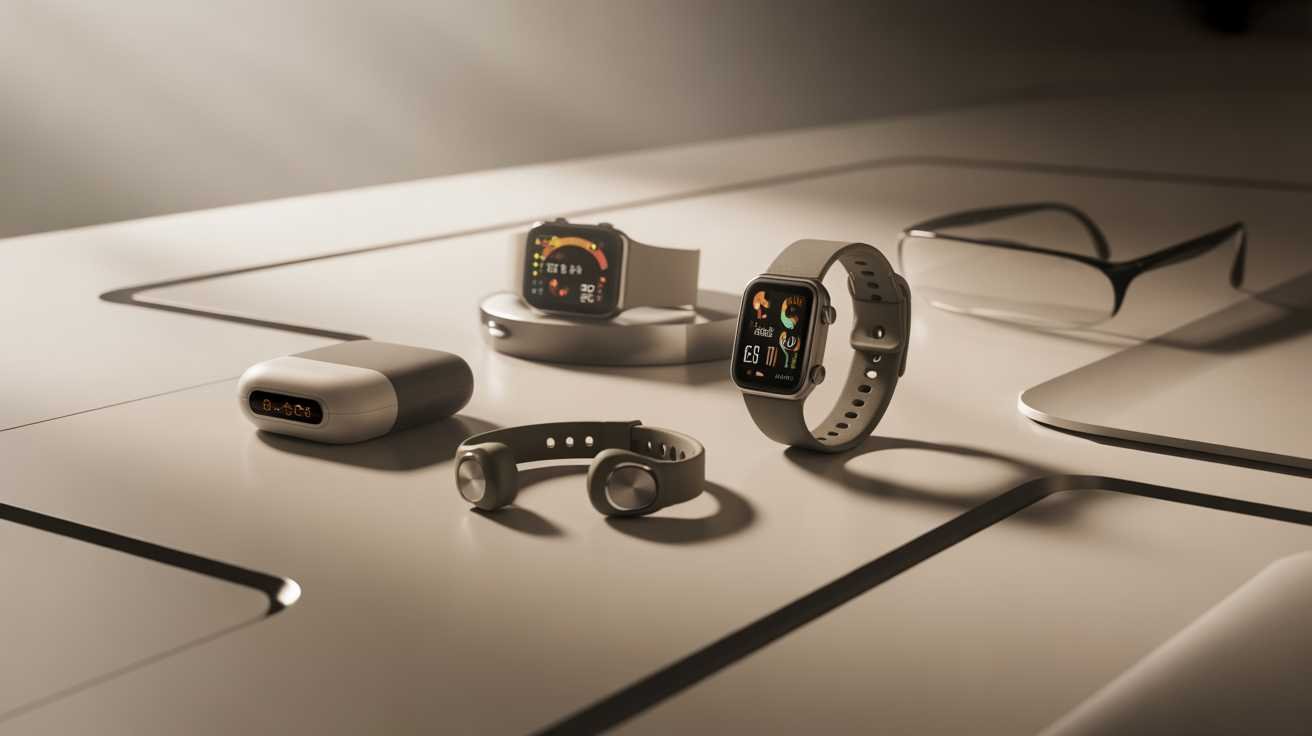
In the fast-paced world of 2025, wearable devices have become indispensable companions in our quest for better health, enhanced fitness, and a more balanced lifestyle. These sleek, high-tech gadgets are more than just accessories; they are powerful tools that empower us to take control of our well-being. From tracking heart rate to monitoring sleep patterns, the capabilities of modern wearables are vast and varied. But with so many options flooding the market, how do you choose the right one? This comprehensive guide delves into expert reviews, real-world user experiences, and the latest advancements to help you make an informed decision.
The Evolution of Wearable Technology
Wearable technology has come a long way since the early days of pedometers and basic fitness trackers. Today’s devices are sophisticated, offering a plethora of features that cater to diverse health and fitness needs. The integration of advanced sensors allows for continuous monitoring of vital signs, providing users with real-time data that can inform lifestyle choices. This evolution signifies a shift towards proactive health management, where individuals are not merely reacting to health issues but actively preventing them.
One standout example is the Garmin Venu X1, released in June 2025. This device boasts a sleek design, a large two-inch AMOLED display, and versatile tracking features, including GPS, health metrics, nap detection, and training insights. Its eight-day battery life and comfort make it a favorite among serious fitness enthusiasts. Similarly, the Oura Ring Gen3 Horizon offers a stylish alternative, tracking over 20 biometrics from the user’s finger, including heart rate and body temperature, to monitor sleep, activities, and stress levels. These advancements underscore the growing importance of wearables in personal health management.
Impact on Health Monitoring
Wearable devices have revolutionized the way we monitor our health. Continuous tracking of vital signs such as heart rate, blood oxygen levels, and sleep patterns provides users with valuable insights into their well-being. This data can be instrumental in detecting early signs of health issues, allowing for timely intervention. Moreover, the integration of AI-powered tools like Zepp Coach and Zepp Aura offers personalized training and recovery insights, enhancing the overall user experience.
Studies have shown that individuals who use wearable devices are more likely to engage in physical activity. For instance, a study by UPMC found that participants who tracked their activity took an average of 1,800 extra steps per day and walked for 40 minutes longer, leading to improved physical activity, body composition, and fitness. These findings highlight the potential of wearables to motivate users towards healthier lifestyles.
Fitness Tracking Capabilities
Modern wearables are equipped with advanced fitness tracking capabilities that cater to a wide range of activities. Whether you’re a runner, cyclist, or yogi, there’s a device designed to meet your needs. Features such as GPS tracking, heart rate monitoring, and activity recognition ensure accurate data collection, enabling users to optimize their workouts. Additionally, some devices offer specialized features like VO2 max estimation and lactate threshold analysis, providing athletes with deeper insights into their performance.
The Amazfit Balance, for example, offers impressive two-week battery life, lightweight design, and comprehensive health and fitness tracking capabilities, including GPS, NFC for payments, and onboard music storage. It also supports Alexa integration, a built-in mic and speaker, and a full-sized QWERTY keyboard for replying to texts. Despite the launch of the newer Amazfit Balance 2, the original model remains a strong recommendation as a budget-friendly yet feature-rich wearable.
Lifestyle Integration and Daily Use
Beyond health and fitness, wearable devices seamlessly integrate into daily life, enhancing convenience and connectivity. Features like call and message notifications, music control, and contactless payments streamline everyday tasks, allowing users to stay connected without reaching for their phones. The lightweight and ergonomic designs ensure comfort during prolonged use, making them suitable for all-day wear.
The TAG Heuer Connected Calibre E5 exemplifies this integration, offering a premium smartwatch experience tailored for iPhone users. With a custom operating system and ‘Made for iPhone’ certification, it ensures improved iOS integration with faster pairing, seamless updates, and better connectivity. While it currently lacks support for third-party apps and LTE connectivity, its luxury design and enhanced smart features make it a compelling choice for those seeking a blend of style and functionality.
Psychological Benefits and Motivation
Wearable devices do more than track physical metrics; they also play a significant role in psychological well-being. The act of monitoring one’s health can lead to increased awareness and motivation. Many users report feeling more accountable to their fitness goals when they can visually track their progress. This sense of achievement, reinforced by notifications and milestones, fosters a positive feedback loop that encourages continued engagement.
However, it’s essential to maintain a balanced approach. Over-reliance on wearable data can lead to stress and anxiety, particularly if users become fixated on achieving specific metrics. Experts advise setting realistic goals and using wearables as tools for guidance rather than strict benchmarks. Incorporating mindfulness practices and taking regular breaks from device monitoring can help mitigate potential negative effects.
Privacy and Data Security
As wearable devices collect sensitive health data, privacy and data security have become paramount concerns. Reputable manufacturers implement robust security measures to protect user information, including encryption and secure data storage. Additionally, many devices comply with health data regulations, ensuring that user data is handled responsibly.
Before purchasing a wearable device, it’s crucial to review the manufacturer’s privacy policy and data handling practices. Opting for devices from established brands with a track record of transparent data practices can provide peace of mind. Moreover, regularly updating device firmware and being cautious about third-party app integrations can further enhance data security.
Future Trends in Wearable Technology
The future of wearable technology is promising, with continuous advancements on the horizon. Emerging trends include the development of more accurate sensors, longer battery life, and enhanced AI capabilities. Additionally, the integration of wearables with other smart devices and platforms is expected to create more cohesive and personalized health ecosystems.
Innovations in materials science may lead to even lighter and more comfortable devices, while advancements in machine learning could enable wearables to provide more precise health insights. As technology evolves, wearables are poised to become even more integral to our daily lives, offering unprecedented levels of convenience and personalization in health and fitness management.
In conclusion, wearable devices have transformed the landscape of health, fitness, and lifestyle management. Their ability to provide real-time data, personalized insights, and seamless integration into daily life makes them invaluable tools for individuals seeking to enhance their well-being. By staying informed about the latest advancements and choosing devices that align with personal goals and preferences, users can harness the full potential of wearable technology to lead healthier, more fulfilling lives.