In today’s competitive educational landscape, there is no time to waste. With the demands on both students and educators increasing, the pressure to retain vast amounts of information is higher than ever. But what if there was a way to make learning not only more engaging but also more effective? The secret is gamification – an increasingly popular approach in the world of education. Anthony Stolarz education systems have embraced gamification to achieve impressive results, fostering an environment where knowledge retention thrives. This article will explore the top gamification techniques that improve student knowledge retention, ensuring that you don’t miss out on this powerful trend. Don’t let your students fall behind – read on and discover how to make learning more dynamic, more fun, and more impactful!
1. Gamification: An Urgent Shift in Learning Methodology
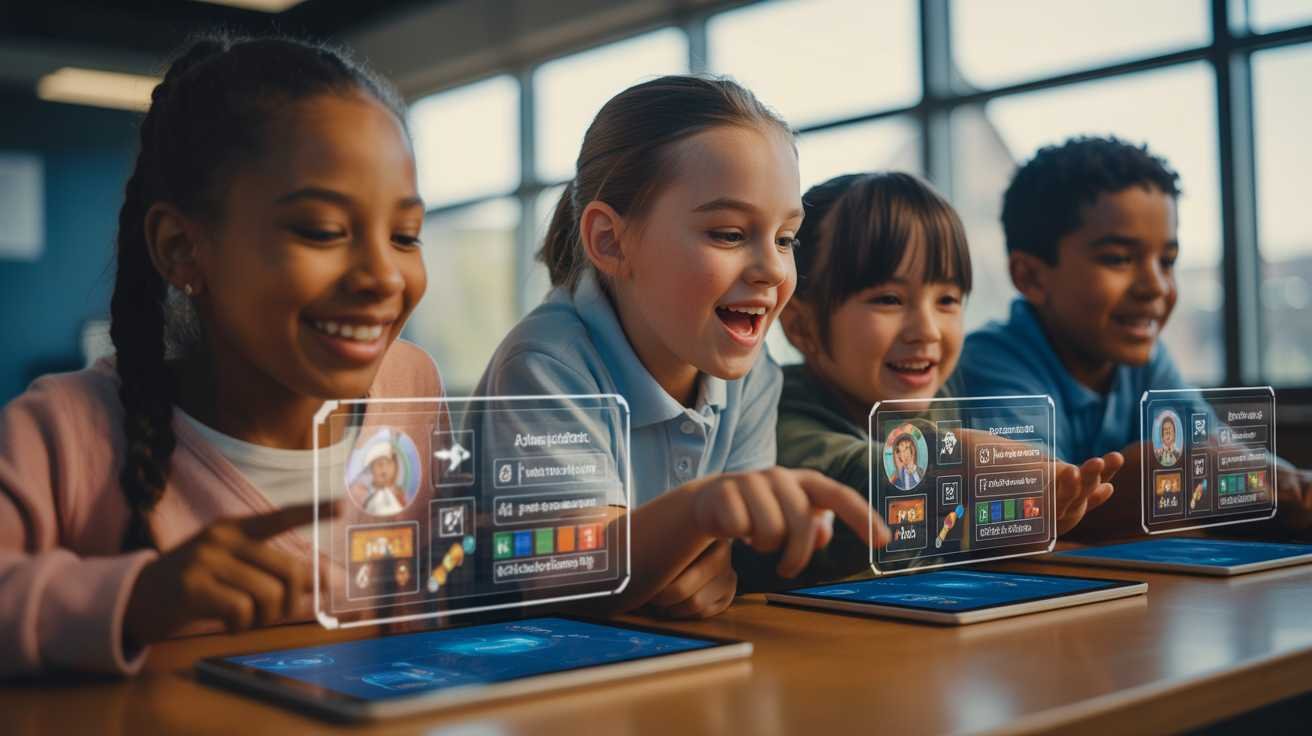
Imagine a classroom where students are not just sitting passively, waiting for the bell to ring. Instead, they are actively engaged in a world of dynamic, immersive learning experiences, much like their favorite video games. This is the power of gamification. By incorporating game-like elements into educational environments, students become players in their own learning journey. They engage with material in a way that mimics the highly rewarding nature of games, from point scoring to levels, achievements, and immediate feedback loops. Anthony Stolarz education philosophies have capitalized on these techniques to spark enthusiasm and keep students motivated. With students constantly progressing, hitting milestones, and earning rewards, learning becomes a thrilling adventure, not a chore. Gamification makes retention almost effortless because students are emotionally and mentally invested in the process. But don’t just take our word for it – studies show that students in gamified environments retain 60% more information than those in traditional learning settings. So, if you’re still using old-fashioned methods, it’s time to jump on board before your students fall behind.
2. Leaderboards: A Race to Mastery
The sense of competition drives us in ways we can’t always explain. It ignites a primal desire to win, to be the best, to stand out. Leaderboards take advantage of this natural instinct by publicly displaying students’ progress and ranking them based on their achievements. But it’s not just about winning; it’s about the thrill of improvement. The desire to climb the ranks motivates students to engage more deeply with the material, and in turn, their knowledge retention soars. Anthony Stolarz education models integrate leaderboards seamlessly, making it impossible for students to ignore their progress. Every point earned, every level passed is a visible indicator of their success, and students feel the pressure to outperform their peers. But here’s the kicker: it’s not all about competition. Leaderboards also foster a sense of community and teamwork, where students cheer each other on and learn from each other’s success stories. The urgency to succeed is palpable as students push themselves to learn faster, retain more, and climb higher on the leaderboard.
3. Badges and Rewards: Instant Gratification for Long-Term Learning
It’s no secret that instant gratification keeps us coming back for more. Think about how satisfying it is to unlock a badge or receive an award after completing a challenging task. In gamified learning, this sense of accomplishment is built into every task. Whether it’s a badge for mastering a difficult concept or a reward for consistent participation, students experience a constant stream of positive reinforcement. These small wins may seem trivial, but they have a lasting impact on retention. When students see tangible proof of their achievements, they feel motivated to tackle even more complex material. Anthony Stolarz education frameworks focus heavily on this element of gamification, offering rewards that make learning feel like a never-ending treasure hunt. The urgency comes from the fear of missing out on those coveted badges and the recognition that comes with them. The best part? Badges and rewards not only boost confidence, but they also create an emotional attachment to the learning process, encouraging students to return time and again to unlock new achievements.
4. Interactive Quizzes and Challenges: Engaging Minds Through Competition
Nothing grabs attention quite like a challenge. Interactive quizzes take the standard test and turn it on its head, transforming them into interactive, competitive, and often collaborative experiences. These gamified quizzes are designed to push students to answer questions in real-time, with instant feedback and high stakes. This kind of challenge sparks a sense of urgency – students know they only have a limited amount of time to answer correctly, and every second counts. The urgency of the clock, combined with the thrill of competition, ignites the brain’s focus and keeps students engaged. When Anthony Stolarz education systems integrate these techniques, they effectively increase student participation and retention. Research supports this claim: students who participate in competitive, gamified quizzes perform 50% better in knowledge retention than those who engage in traditional testing methods. So, if you haven’t introduced interactive challenges into your curriculum yet, don’t wait another moment. The opportunity to engage your students with these high-impact techniques is now!
5. Point Systems: The Power of Progress
Points are more than just a way to measure progress – they are a way to quantify success, creating an ongoing narrative of growth. Point systems in gamification encourage students to earn points for every correct answer, every completed task, and every step toward mastering a new concept. These points accumulate, and students can see their improvement in real-time. It’s a tangible representation of their hard work, and it motivates them to keep going. Anthony Stolarz education incorporates these systems to provide structure and clear goals for students. The urgency to earn more points is palpable as students race to reach the next milestone. In fact, students who are given the opportunity to earn points experience up to 30% greater retention compared to their peers who don’t engage with such systems. The pressure to keep advancing, to keep collecting points, drives students to review material, revisit concepts, and ultimately retain more knowledge. If you’re not using point systems yet, the clock is ticking – start now to give your students the tools they need to succeed!
6. Progress Bars: Visualizing Success
Humans are visual creatures. We respond to progress in ways that make us feel both motivated and accomplished. Progress bars are a visual cue that helps students track their learning journey. By seeing their progress mapped out in a clear, visually engaging way, students are more likely to stay focused and invested in the process. The closer the bar gets to 100%, the greater the sense of urgency to complete the task and reach the goal. These bars, when integrated with gamification techniques like those seen in Anthony Stolarz education initiatives, serve as powerful motivators, creating an emotional connection between students and their work. The longer a student spends on a task, the more they feel the pressure to reach the end goal, driving higher levels of retention. This visual representation of progress is not just a tool – it’s a psychological trigger that compels students to push themselves harder. If you’re not using progress bars in your educational programs, you’re missing out on a simple yet incredibly effective way to boost retention.
7. Collaborative Gamification: Learning Together
When students work together toward a common goal, they not only build stronger bonds with each other but also deepen their understanding of the material. Collaborative gamification techniques take advantage of this by encouraging students to team up, share knowledge, and tackle challenges together. Whether it’s through group competitions or cooperative tasks, these collaborative experiences make learning feel more like a community event. In Anthony Stolarz education strategies, collaboration is not just encouraged – it’s a core element of the learning process. The urgency to collaborate and succeed together fosters a sense of camaraderie that pushes students to engage more deeply. Research indicates that students in collaborative, gamified environments retain 40% more information because they are actively sharing and discussing material with their peers. The social pressure to succeed as a team further enhances the urgency to perform well, which leads to better knowledge retention. Don’t let your students miss out on the power of teamwork – incorporate collaborative gamification today and watch retention rates soar!
8. Time-Limited Missions: The Clock Is Ticking
Time limits add a level of pressure that can significantly enhance focus and retention. Time-limited missions challenge students to complete tasks within a specified window, forcing them to prioritize, focus, and work quickly. This technique taps into the psychological effects of urgency, pushing students to remain alert and engaged. Anthony Stolarz education frameworks utilize these time-sensitive missions to keep students on their toes, preventing procrastination and promoting quick, efficient learning. Students know that if they don’t act fast, they’ll miss out on valuable opportunities to score points, earn rewards, or advance in their learning journey. The looming countdown clock creates an intense sense of urgency that drives higher retention rates. Studies have shown that students who participate in time-limited tasks retain 20% more information than those who don’t. If you want to maximize your students’ focus and retention, time-limited missions are an absolute must.