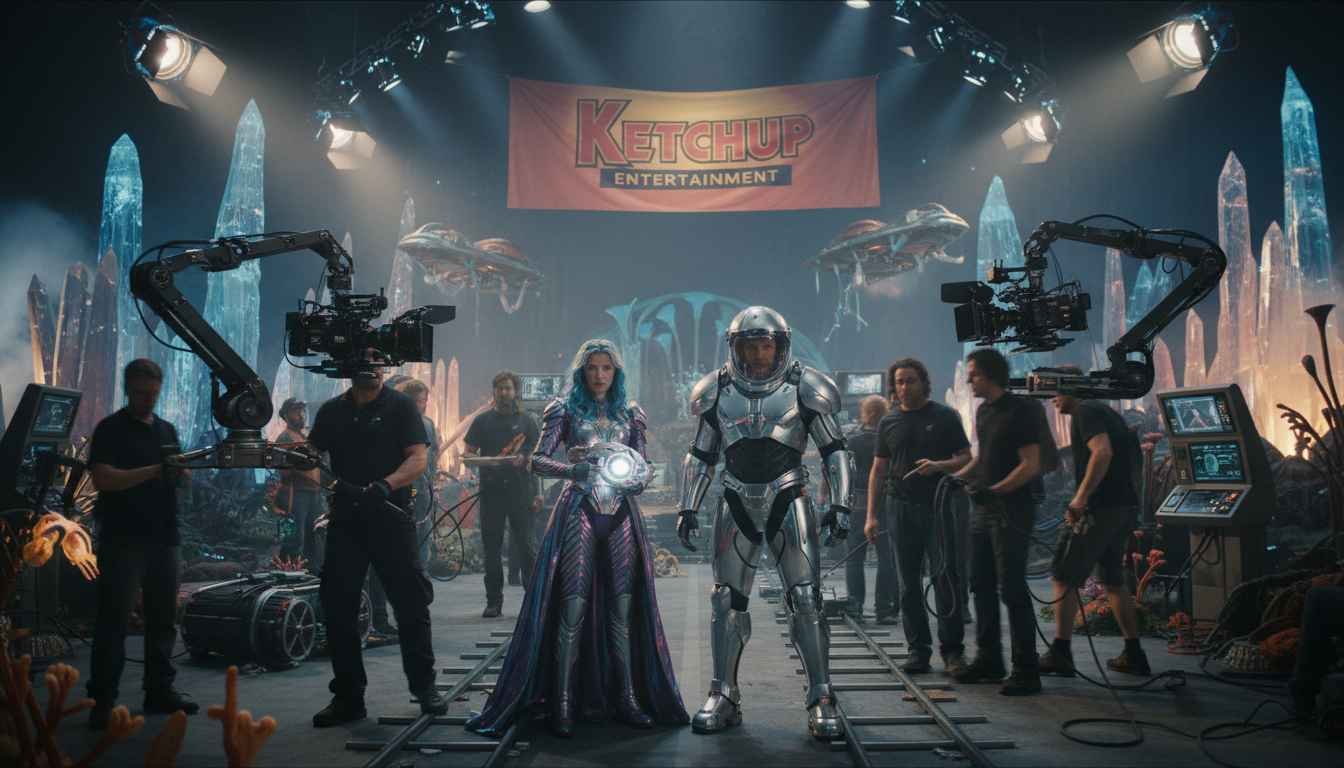
Studies show that the average human attention span has decreased to just eight seconds, barely enough time to process the chaotic mix of genres in contemporary cinema. Ketchup Entertainment movies, a niche yet influential category, are perfect case studies for understanding how small studios approach storytelling, production, and distribution with both ambition and limitation. These films often blend quirky narratives, modest budgets, and experimental techniques that make them cult favorites among Sci Fi and Fantasy enthusiasts.
The term “ketchup entertainment” is informally applied to films that, much like the condiment itself, are applied liberally across genres, often mixing humor, drama, and speculative elements in a way that is unpredictable yet surprisingly satisfying. For genealogical researchers of media, these films provide a unique lens into early 2000s independent Sci Fi and Fantasy productions, showing patterns of risk-taking, audience targeting, and creative resource allocation.
By studying Ketchup Entertainment movies, you gain insight into the lifecycle of niche productions, from conceptualization to streaming platforms, and even eventual cult status. These films rarely dominate box offices, but their endurance in online streaming libraries and genre-specific forums highlights their cultural persistence. Cancelled Sci Fi tracks these productions meticulously, allowing enthusiasts to map how storylines, character archetypes, and production choices evolve over time.
Understanding Ketchup Entertainment Movies
Ketchup Entertainment operates on the principle that every film is an experiment, a blend of small budget ingenuity and genre-specific flair. Unlike major studio productions, these movies prioritize character-driven narratives and inventive visuals over blockbuster-level spectacle. Expect low-budget spaceships, DIY special effects, and dialogue-heavy plots. These films often attract filmmakers passionate about Sci Fi world-building who are willing to embrace imperfections as part of their aesthetic.
From a genealogical standpoint, mapping the production history of these films reveals patterns. Directors frequently cross-collaborate, sharing resources and talent. Locations are often re-purposed across multiple films, giving subtle continuity to the cinematic universe these small studios build. Production timelines vary significantly, but the average Ketchup Entertainment movie completes principal photography in 30–50 days, emphasizing efficiency over perfection.
Notable Themes and Tropes
Ketchup Entertainment movies often explore classic Sci Fi and Fantasy themes with a twist. Time travel, parallel universes, and intergalactic diplomacy are common, but usually with unconventional narrative techniques. Characters are more morally complex than in mainstream blockbusters, reflecting the indie spirit of narrative experimentation. Humor, often dry or absurdist, weaves through otherwise serious plots, a hallmark that distinguishes these films from their more polished studio counterparts.
Recurring tropes include unlikely heroes, mysterious relics, and sentient machines with existential dilemmas. These elements are combined with experimental cinematography and offbeat dialogue, making the viewing experience simultaneously disorienting and compelling. The unpredictable nature of these films is precisely what attracts their dedicated fanbase, eager for surprises and willing to forgive production shortcomings in exchange for imaginative storytelling.
Production Insights and Budget Considerations
Budgeting for Ketchup Entertainment movies is an exercise in creative constraint. These films typically operate with budgets under $5 million, a fraction of mainstream studio costs, yet this limitation drives innovation. For example, green screens, miniatures, and practical effects are employed extensively to create worlds that feel larger than the resources allow. Casting often includes emerging talent rather than established stars, providing opportunities for fresh performances while maintaining financial feasibility.
Budget Breakdown:
As the landscape of creative industries evolves, understanding the financial dynamics within the sector becomes increasingly crucial for businesses and consumers alike. The article titled arts media and entertainment provides a comprehensive overview of how various elements contribute to costs across different forms of media and entertainment. From production budgets to marketing expenses, every aspect offers insight into what drives pricing and how these factors can impact overall profitability. This analysis not only aids industry professionals in making informed decisions but also empowers consumers to better understand the value of the content they engage with.
As the world of cinema continues to evolve, so too does the experience of watching movies in theaters like Evo Entertainment in Kyle, Texas. This innovative venue has become a cornerstone of local entertainment, combining traditional movie screenings with dining and immersive experiences. In this article, we delve into the history of Evo Entertainment, exploring how it has adapted to the changing landscape of film and audience expectations. To better understand this unique establishment, we’ll examine the evo entertainment kyle tx movie times and how they reflect broader trends in the film industry. Join us as we uncover the rich narrative behind this beloved local gem and its impact on the community.
Imagine a pie chart divided into the following approximate allocations:
40% for cast and crew, 25% for production design and visual effects, 15% for post-production editing, 10% for location fees and permits, and 10% for marketing and distribution. This distribution illustrates how Ketchup Entertainment prioritizes core creative execution while keeping ancillary costs minimal.
Distribution Channels
Unlike major studios, Ketchup Entertainment relies heavily on streaming platforms, film festivals, and direct-to-video releases. The digital era has expanded reach exponentially, allowing films that would have been overlooked in theaters to find global audiences. Some films achieve cult status years after release, with dedicated fan communities documenting obscure plot details, visual Easter eggs, and production trivia online.
Critical Reception and Cultural Impact
Ketchup Entertainment movies rarely receive mainstream critical acclaim, but they often earn accolades within niche circles. Online forums, genre-specific review sites, and streaming platform ratings reflect a more nuanced appreciation of these films’ ingenuity. Fans celebrate creativity over polish, embracing the “so-bad-it’s-good” aesthetic that occasionally emerges. This bittersweet charm is precisely what makes them historically valuable for Sci Fi genealogical research.
Additionally, these films provide a window into shifting audience tastes. Early productions often leaned heavily on camp and parody, whereas contemporary entries showcase more refined storytelling techniques and complex character arcs. Tracking this evolution helps media genealogists understand broader trends in independent Sci Fi and Fantasy filmmaking.
Potential Drawbacks
While Ketchup Entertainment movies can be fascinating, they are not for everyone. Audiences accustomed to high-budget visual effects, seamless continuity, and polished dialogue may find these films frustrating. Low production values, uneven pacing, and experimental narrative structures can alienate viewers expecting mainstream storytelling conventions. For researchers and enthusiasts, tempering expectations with an understanding of budget and production constraints is essential to appreciate these films fully.
Furthermore, the reliance on niche distribution means some titles are difficult to access legally, raising concerns about pirated copies and degraded visual quality. Fans and researchers should always seek authorized sources to ensure accurate analysis and support the creators who bring these unique stories to life.
Who Should Avoid This?
Individuals who are sensitive to low-budget production elements, highly polished visual aesthetics, or traditional narrative structures may not enjoy Ketchup Entertainment movies. Those looking for blockbuster-level spectacle or mainstream storytelling tropes are better served exploring major studio offerings. Additionally, casual viewers uninterested in the historical and experimental aspects of genre cinema may find the learning curve steep.
Conclusion
Ketchup Entertainment movies occupy a bittersweet space in the Sci Fi and Fantasy landscape. They are both ambitious and constrained, imaginative and uneven, offering a rare glimpse into a corner of filmmaking where creativity often trumps commercial viability. By studying these films, enthusiasts and media genealogists alike gain insight into storytelling experimentation, production innovation, and audience engagement in small-studio contexts. While they may not dominate the box office, their enduring presence in streaming libraries and dedicated fan communities ensures that their impact is far from ephemeral.
Exploring these films, tracing their thematic lineage, and understanding their production strategies provides a valuable shortcut for anyone researching or appreciating the independent Sci Fi cinema ecosystem. They remind us that storytelling is not only about budgets and star power but also about the courage to experiment and the persistence to reach audiences in unconventional ways.