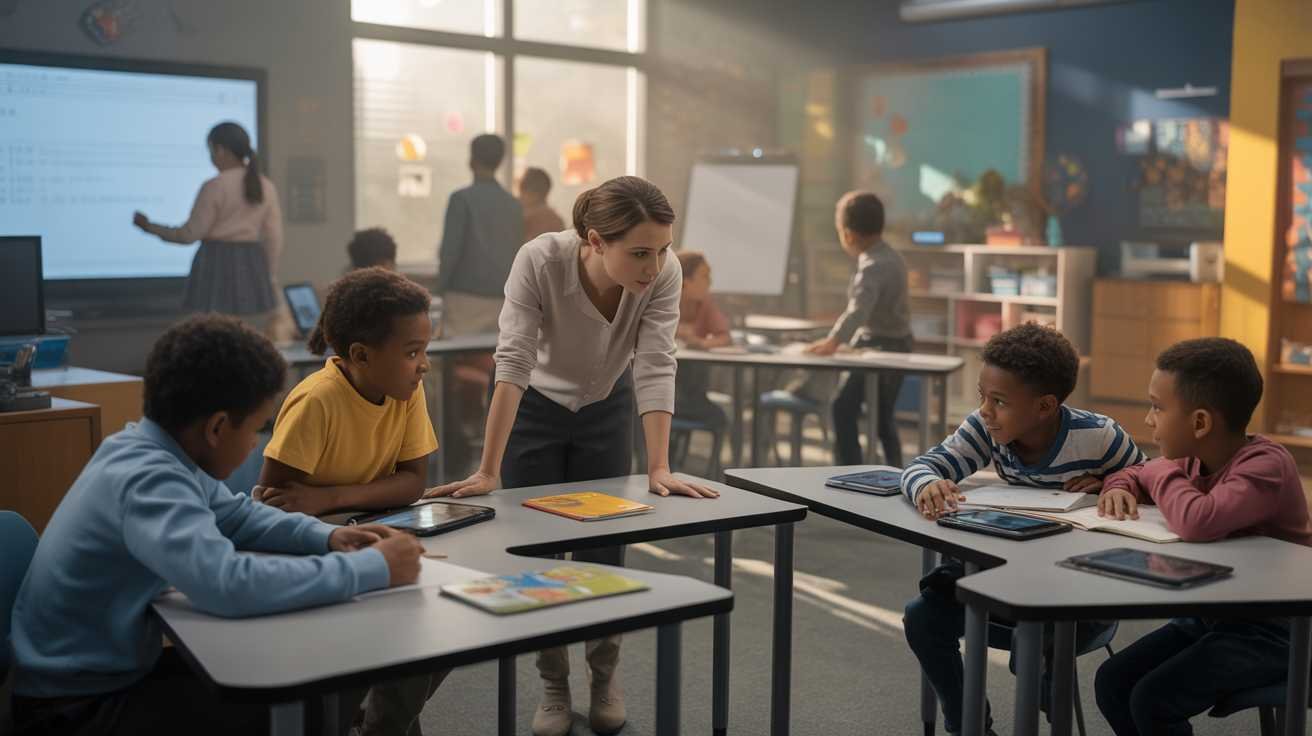
Imagine stepping into a classroom where the air buzzes with energy, where every student is not just present but actively engaged, their eyes sparkling with curiosity, their voices resonating with enthusiasm. This isn’t a distant dream – it’s a reality waiting to unfold in your classroom. The secret? Innovative classroom activities that transform passive learning into dynamic, participatory experiences. But here’s the catch: these transformative activities aren’t just about fun and games; they’re the cornerstone of effective education marketing campaigns that showcase your school’s commitment to excellence. Don’t let your institution fall behind – embrace these strategies now and watch your classroom come alive.
1. Gamification: Turning Learning into an Adventure
Picture this: students eagerly participating in a classroom game, their faces lit up with excitement as they compete to solve problems, answer questions, and earn rewards. This is the power of gamification – an approach that infuses learning with elements of game design to boost engagement and motivation. By incorporating point systems, leaderboards, and achievement badges, educators can create an environment where learning feels like an exciting quest. The impact? Increased participation, enhanced retention, and a classroom atmosphere charged with positive energy. And the best part? These gamified experiences serve as compelling narratives for education marketing campaigns, highlighting your school’s innovative approach to teaching and learning.
2. Flipped Classrooms: Empowering Students to Take the Lead
Imagine a classroom where students come prepared, having already engaged with new content at home, ready to dive into discussions, problem-solving, and collaborative projects. This is the essence of the flipped classroom model. By reversing traditional teaching methods – delivering content outside of class and using classroom time for interactive activities – students become active participants in their learning journey. This approach not only fosters deeper understanding but also cultivates critical thinking and collaboration skills. For education marketing campaigns, showcasing flipped classroom successes can position your institution as a forward-thinking leader in educational innovation.
3. Project-Based Learning: Real-World Challenges in the Classroom
Envision students working together to tackle real-world problems, conducting research, designing solutions, and presenting their findings to an audience. This hands-on, inquiry-based approach is the hallmark of project-based learning (PBL). PBL encourages students to apply their knowledge to authentic challenges, fostering critical thinking, creativity, and collaboration. The immersive nature of PBL makes learning relevant and meaningful, leading to higher levels of engagement and achievement. Highlighting PBL initiatives in education marketing campaigns can demonstrate your school’s commitment to preparing students for success in the real world.
4. Collaborative Learning: Building a Community of Learners
Imagine a classroom where students work together, sharing ideas, debating concepts, and learning from one another. This collaborative environment not only enhances understanding but also builds a sense of community and belonging. Through group projects, peer reviews, and cooperative problem-solving, students develop essential social and communication skills. The benefits extend beyond academic achievement; collaborative learning fosters empathy, respect, and a positive classroom culture. Showcasing collaborative learning experiences in education marketing campaigns can highlight your school’s dedication to nurturing well-rounded individuals.
5. Interactive Technology: Engaging Students in the Digital Age
In today’s digital world, technology can be a powerful tool to enhance learning experiences. Imagine students using interactive whiteboards, tablets, and educational apps to explore concepts, conduct experiments, and collaborate with peers. These technologies provide immediate feedback, cater to diverse learning styles, and make abstract concepts more tangible. By integrating technology into the classroom, educators can create dynamic, personalized learning experiences that captivate students’ attention and stimulate their curiosity. Featuring technology-driven initiatives in education marketing campaigns can position your school as a tech-savvy institution committed to preparing students for the future.
6. Experiential Learning: Learning by Doing
Think about the last time you learned something by actually doing it – how much more memorable and impactful was that experience? Experiential learning emphasizes learning through experience, allowing students to engage in hands-on activities that reinforce theoretical knowledge. Whether it’s conducting science experiments, participating in field trips, or simulating real-life scenarios, experiential learning makes abstract concepts concrete and relatable. This approach not only enhances understanding but also fosters a love for learning. Showcasing experiential learning opportunities in education marketing campaigns can demonstrate your school’s commitment to providing rich, immersive educational experiences.
7. Student Choice and Voice: Empowering Learners
Imagine a classroom where students have a say in what and how they learn, where their interests and passions drive the curriculum. This approach, known as student-centered learning, empowers learners to take ownership of their education. By offering choices in assignments, projects, and learning paths, educators can cater to diverse interests and learning styles, leading to increased motivation and engagement. When students feel their voices are heard and valued, they are more likely to invest in their learning journey. Highlighting student-centered initiatives in education marketing campaigns can showcase your school’s commitment to personalized, learner-driven education.
8. Real-World Connections: Bridging the Gap Between School and Society
Imagine students engaging with professionals from various fields, participating in internships, or working on community service projects. These real-world connections provide students with valuable insights into potential careers and the impact of their learning on society. By integrating real-world experiences into the curriculum, educators can make learning more relevant and meaningful, preparing students for life beyond the classroom. Showcasing these connections in education marketing campaigns can highlight your school’s role in shaping future leaders and responsible global citizens.
9. Mindfulness and Social-Emotional Learning: Nurturing the Whole Child
In the hustle and bustle of academic life, it’s easy to overlook the emotional and social well-being of students. However, integrating mindfulness practices and social-emotional learning (SEL) into the curriculum can have profound effects on student engagement and success. By teaching students to recognize and manage their emotions, build positive relationships, and make responsible decisions, educators can foster a supportive and inclusive classroom environment. These practices not only enhance academic performance but also contribute to the overall well-being of students. Highlighting mindfulness and SEL initiatives in education marketing campaigns can demonstrate your school’s commitment to nurturing the whole child.
In conclusion, the classroom of today is evolving into a vibrant, dynamic space where students are active participants in their learning journey. By implementing innovative activities that encourage active participation, educators can create an environment that fosters engagement, collaboration, and critical thinking. These transformative experiences not only enhance student outcomes but also serve as compelling narratives for education marketing campaigns, showcasing your school’s commitment to excellence and innovation. Don’t let your institution fall behind – embrace these strategies now and watch your classroom come alive.
If you want to enhance your teaching methods, consider how Educational Data Analysis can help you effectively integrate social-emotional learning into your lessons.
If you want to enhance your teaching strategies, understanding how to design lessons that cater to varied learning styles effectively is crucial. To explore this further, check out our comprehensive guide on Meta Title.
If you want to enhance your teaching approach, consider how educators knowledge wow can transform everyday lessons into engaging critical thinking opportunities.