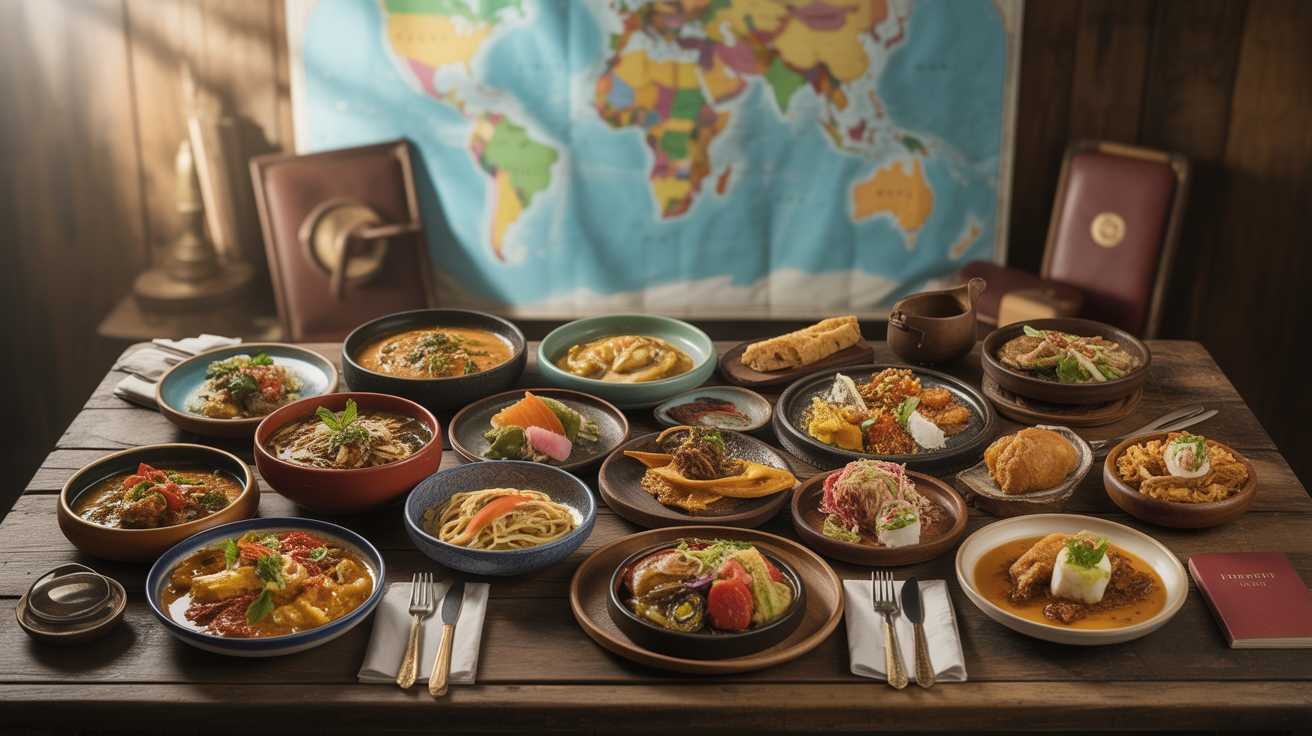
Imagine stepping off a plane into a city where every corner offers a new flavor, every market buzzes with the scent of spices, and every meal tells a story centuries in the making. This isn’t just travel – it’s a sensory journey that immerses you in the heart of a culture. Crafting food-centric itineraries that maximize cultural experiences isn’t merely about eating; it’s about savoring history, tradition, and identity through every bite. And if you’re looking to elevate your travel planning skills to a professional level, consider the Rutgers Executive Education programs, which offer courses that can transform your approach to experiential travel planning.
1. Understanding the Power of Culinary Immersion
Food is the soul of a culture. It’s the thread that weaves together history, geography, and identity. When you plan a food-centric itinerary, you’re not just choosing restaurants – you’re selecting experiences that allow you to taste the essence of a place. Picture yourself in the bustling streets of Bangkok, where the air is thick with the aroma of sizzling satay and sweet mango sticky rice. Or imagine wandering through the olive groves of Tuscany, learning the art of making fresh pasta from a local nonna. These aren’t just meals; they’re lessons in culture, passed down through generations. By immersing yourself in local culinary traditions, you gain a deeper understanding and appreciation of the community’s way of life. This approach transforms a simple trip into a profound cultural exploration, offering memories that linger long after the journey ends.
2. Crafting Itineraries with Purpose and Passion
Creating a food-centric itinerary requires more than just listing popular eateries. It’s about curating a journey that reflects the culinary landscape of the destination. Start by researching the region’s signature dishes and the stories behind them. In Mexico City, delve into the origins of mole and the significance of maize in indigenous cuisine. In Kyoto, explore the delicate balance of flavors in kaiseki dining. Once you have a list of must-try dishes, map out your route to include local markets, street food stalls, and family-owned restaurants. Incorporate cooking classes and food tours to provide hands-on experiences. This purposeful planning ensures that each meal is an opportunity to connect with the culture on a deeper level. And for those looking to enhance their skills in creating such immersive travel experiences, the Rutgers Executive Education programs offer valuable insights and training.
3. The Role of Local Markets in Cultural Discovery
Local markets are the beating heart of a community’s culinary scene. They offer a firsthand look at the ingredients that define a cuisine and the people who cultivate and sell them. Walking through the vibrant stalls of a market in Marrakech, you’ll encounter piles of colorful spices, fresh herbs, and exotic fruits. The vendors, often eager to share their knowledge, provide insights into the local food culture and traditions. Sampling street food from these markets offers an authentic taste of the region, far removed from the sanitized versions found in tourist restaurants. These experiences not only tantalize your taste buds but also enrich your understanding of the culture. Including visits to local markets in your itinerary allows you to engage directly with the community and gain a deeper appreciation for their culinary heritage.
4. Incorporating Cooking Classes and Workshops
There’s no better way to understand a culture than by learning to cook its traditional dishes. Cooking classes and workshops provide hands-on experiences that go beyond tasting – they offer insights into techniques, ingredients, and the cultural significance of food preparation. In Vietnam, a cooking class might take you to a local market to select fresh herbs and vegetables, followed by a lesson in crafting pho from scratch. In Italy, you could learn to make authentic pizza dough and sauces, guided by a local chef. These classes not only teach culinary skills but also foster connections with local chefs and fellow travelers. They deepen your appreciation for the time and care invested in each dish, transforming a meal into a shared cultural experience. For those interested in enhancing their culinary knowledge and travel planning expertise, the Rutgers Executive Education programs offer courses that can help you design such enriching itineraries.
5. Timing Your Visit to Align with Food Festivals
Food festivals are vibrant celebrations of a region’s culinary traditions. Timing your visit to coincide with these events can provide immersive experiences that showcase the diversity and richness of local cuisine. In Spain, the annual La Tomatina festival offers a unique opportunity to participate in a massive tomato fight, followed by communal meals featuring traditional dishes. In Thailand, the Songkran festival ushers in the Thai New Year with street food stalls offering specialties like pad thai and mango sticky rice. These festivals often include cooking demonstrations, tastings, and cultural performances, offering a comprehensive view of the food culture. Planning your itinerary around such events ensures that you experience the culinary traditions in their most festive and authentic form. And for those looking to gain skills in organizing such culturally rich travel experiences, the Rutgers Executive Education programs provide valuable training.
6. Engaging with Local Chefs and Food Artisans
Engaging with local chefs and food artisans offers a behind-the-scenes look at the culinary traditions of a region. These individuals are often passionate about preserving and sharing their culinary heritage. In Oaxaca, Mexico, you might spend a day with a local chocolatier, learning the ancient techniques of grinding cacao and crafting traditional mole. In Japan, a sushi master could guide you through the meticulous process of selecting fish and preparing nigiri. These interactions provide a deeper understanding of the skills, knowledge, and cultural significance embedded in food preparation. They also foster personal connections that enrich your travel experience. Including opportunities to meet and learn from local culinary experts in your itinerary adds authenticity and depth to your cultural exploration. For those interested in enhancing their skills in creating such immersive travel experiences, the Rutgers Executive Education programs offer courses that can help you design such enriching itineraries.
7. Documenting Your Culinary Journey
Documenting your culinary experiences allows you to reflect on and share your journey. Keeping a food journal, taking photographs, and collecting recipes can help you remember the flavors and stories behind each meal. Sharing your experiences through blogs or social media not only preserves your memories but also inspires others to embark on similar culinary adventures. These records can also serve as valuable resources for future travels, providing insights and recommendations based on firsthand experiences. Additionally, documenting your journey can deepen your understanding and appreciation of the cultures you encounter, as you reflect on the connections between food, history, and community. For those interested in enhancing their travel planning and documentation skills, the Rutgers Executive Education programs offer courses that can help you design and document such enriching itineraries.
8. Leveraging Technology for Enhanced Experiences
Technology can enhance your food-centric travel experiences by providing tools for planning, navigation, and learning. Apps like Google Maps and TripAdvisor can help you discover highly-rated restaurants and food markets. Language translation apps can assist in overcoming language barriers, allowing you to communicate more effectively with local vendors and chefs. Online cooking classes and food documentaries can provide background knowledge and inspiration before your trip. Additionally, social media platforms like Instagram and YouTube offer a wealth of content showcasing culinary traditions and food experiences around the world. Leveraging these technologies can help you plan more efficiently, navigate unfamiliar areas, and deepen your understanding of the cultures you encounter. For those interested in enhancing their skills in utilizing technology for travel planning, the Rutgers Executive Education programs offer courses that can help you design and document such enriching itineraries.
9. The Benefits of Food-Centric Travel
Food-centric travel offers numerous benefits that extend beyond the culinary realm. It promotes cultural understanding by providing firsthand experiences of local traditions and lifestyles. It encourages sustainable tourism by supporting local farmers, artisans, and small businesses. It fosters personal growth by challenging travelers to step out of their comfort zones and engage with new cultures. Moreover, it creates lasting memories through shared meals and experiences that connect people across cultures. By prioritizing food in your travel planning, you embark on journeys that nourish not only your body but also your mind and spirit. For those interested in enhancing their travel planning skills and gaining a deeper understanding of cultural experiences, the Rutgers Executive Education programs offer valuable insights and training.
10. Planning Your Next Culinary Adventure
Ready to embark on your own food-centric journey? Start by researching destinations known for their rich culinary traditions. Consider regions where food plays a central role in cultural identity, such as Italy, Thailand, or Mexico. Plan your itinerary to include a mix of experiences, from market visits and cooking classes to food festivals and meals with local families. Don’t forget to document your journey through photos, journals, and social media to share your experiences and inspire others. And if you’re looking to elevate your travel planning skills to a professional level, consider the Rutgers Executive Education programs, which offer courses that can transform your approach to experiential travel planning. Your next culinary adventure awaits – make it unforgettable.