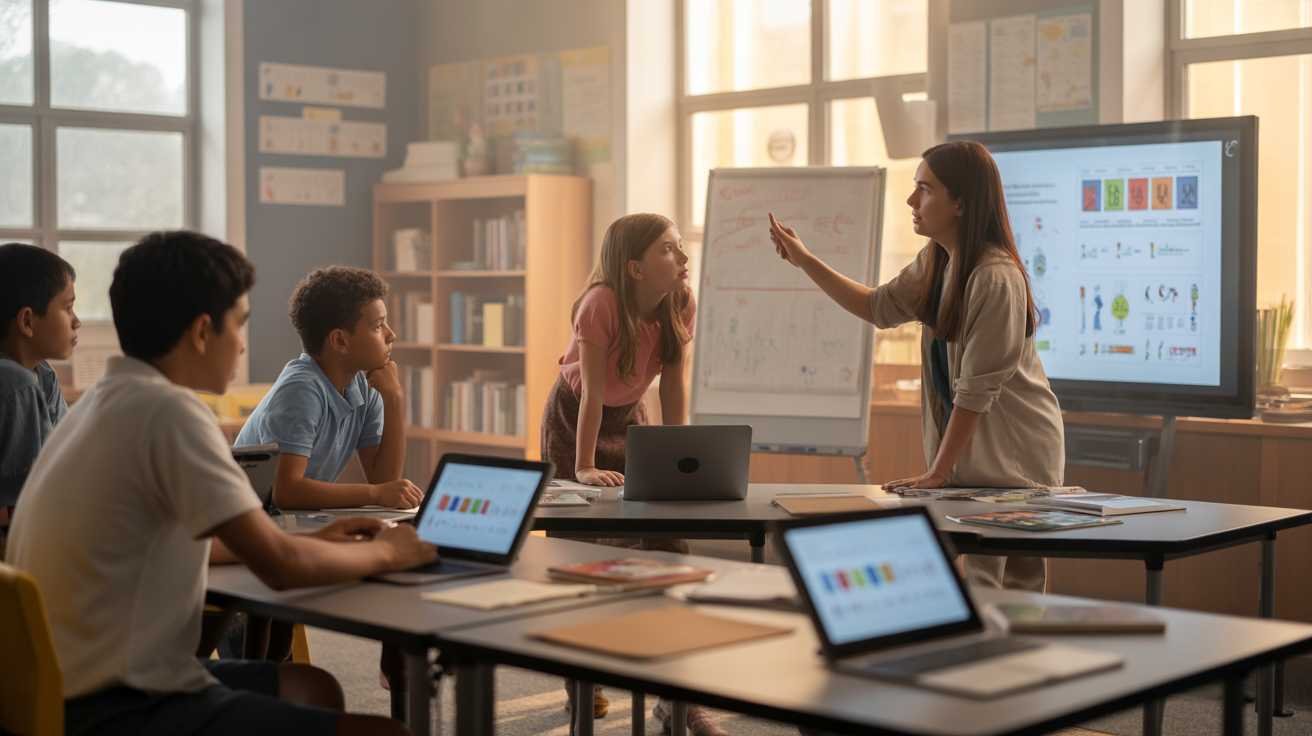
In the fast-paced world of education, the need to keep students engaged and motivated is more critical than ever. Imagine walking into a classroom where the energy is palpable, the students are eager to participate, and learning feels like a natural extension of their everyday experiences. Sounds like a dream, right? But it doesn’t have to be. By incorporating visual aids and interactive materials into your lessons, you can create a dynamic, engaging, and enriching environment that will keep your students on the edge of their seats. The best part? It’s easier than you think, and with the right strategies, you can make it happen today!
Visual aids have the power to transform a dull lesson into a captivating experience. They appeal to the eye, stimulate the imagination, and enhance comprehension. Interactive materials, on the other hand, not only engage students’ senses but also encourage them to actively participate in their own learning. This combination of visual and interactive elements is not just a trend but a necessity. Students today are more distracted than ever, and traditional teaching methods often fail to capture their attention. As educators, it’s time to evolve and embrace these tools that will revolutionize the way lessons are delivered.
The Power of Visual Aids in the Classroom
Visual aids are often the missing link in a classroom that struggles to captivate the attention of its students. From colorful posters to interactive diagrams, visual aids can serve as powerful tools to make complex concepts more digestible. A well-placed infographic, for instance, can instantly clarify a topic that might otherwise seem overwhelming. But visual aids do more than just simplify information – they make learning fun, which is exactly what students need to stay engaged.
Research has shown that students are more likely to retain information when it’s presented visually. In fact, the brain processes images 60,000 times faster than text. Imagine the impact of combining a visual representation of a scientific process with a brief explanation. Not only does this help students understand the material better, but it also makes it more memorable. Integrating funny educational quotes into your visuals can further enhance this effect. For example, a quirky, relatable quote about the scientific method might make students laugh, but it also reinforces the lesson in a memorable way. These small but impactful additions can be the key to keeping students engaged and motivated.
Interactive Materials: The Future of Learning
If visual aids are the eye candy of education, interactive materials are the main course. These materials allow students to actively participate in their learning journey, making them more likely to retain and apply the knowledge they gain. Interactive lessons can include anything from educational games and apps to hands-on projects and group activities. The more students are involved, the more likely they are to internalize the information and build deeper connections to the content.
Imagine a history lesson where students not only read about ancient civilizations but also create a virtual model of a pyramid or participate in a digital scavenger hunt to uncover artifacts. This type of hands-on, interactive learning doesn’t just keep students engaged; it makes them feel like they are part of the story. And when students feel personally invested in the material, they are much more likely to remember it. Interactive materials can also bring a sense of humor into the learning process. Funny educational quotes embedded in the activities or used to highlight key points can create moments of laughter, making the learning experience more enjoyable and memorable.
Incorporating Technology to Enhance Visual Aids
As technology continues to advance, the opportunities for incorporating visual aids into lessons expand exponentially. Tools like interactive whiteboards, tablets, and educational apps allow teachers to create rich, multimedia lessons that engage students in ways traditional methods can’t. For instance, instead of simply showing a picture of a plant cell, why not give students the chance to explore it through a 3D model on a tablet? This type of interactive, tech-enhanced visual aid helps students better understand abstract concepts and brings learning to life.
The possibilities are endless. Augmented reality (AR) and virtual reality (VR) can transport students to ancient Rome or allow them to walk through the layers of the Earth. These immersive experiences are not only visually striking but also encourage students to explore and interact with the material. Imagine a biology class where students can dissect a frog – virtually! It’s as if they’re in the lab, without any of the mess. By integrating humor, such as funny educational quotes related to the lesson, into these immersive experiences, you can ensure that students remain not only engaged but also entertained.
Why Humor Works in Education
Humor has always been a powerful tool in the classroom, and when used correctly, it can significantly enhance the learning experience. Funny educational quotes, in particular, can break the ice, ease tensions, and make lessons more enjoyable. Humor creates an atmosphere where students feel comfortable and willing to participate, which is essential for effective learning. A well-timed joke or a lighthearted comment can make students feel at ease, especially in subjects that might otherwise be intimidating.
Consider the following: A history teacher begins a lesson on the Industrial Revolution with a funny quote like, “The only thing more inefficient than a steam engine in 1800 was my middle school gym teacher trying to teach us basketball.” Laughter ensues, and students are immediately more relaxed. The humor lightens the mood, making them more receptive to the lesson ahead. As they learn about the Industrial Revolution, they may recall that humorous opening line, connecting it to the material in a way that’s both entertaining and educational. This is the power of humor in education: it not only lightens the atmosphere but also creates lasting associations with the content.
Building Engaging Visuals with Simple Tools
Incorporating visual aids doesn’t have to be complicated or expensive. You don’t need to be a graphic designer or spend a fortune on tools. Simple yet effective visuals can be created using basic software like PowerPoint or Google Slides, or even through free online design platforms like Canva. By using these tools, you can easily design posters, infographics, and interactive slideshows that add a visual dimension to your lessons.
For example, let’s say you’re teaching a lesson on the solar system. Instead of simply talking about the planets, why not create a dynamic slideshow that shows each planet’s unique characteristics? You could even add a funny educational quote, such as “The only thing colder than Neptune’s atmosphere is the air in my classroom after I make a bad pun.” These small touches of humor can make the lesson not only more visually engaging but also more relatable and fun. By combining your creativity with simple tools, you can elevate your lessons and keep your students interested and involved.
How Interactive Learning Materials Enhance Critical Thinking
Interactive learning materials don’t just keep students engaged – they also foster critical thinking skills. When students actively engage with content, they are not merely absorbing information passively; they are analyzing, evaluating, and synthesizing the material. This process helps develop their ability to think critically, a skill that is essential for success in the modern world.
Imagine a geography lesson where students use an interactive map to plan their ideal vacation. They must analyze factors such as climate, geography, and cost, and make decisions based on their findings. This type of activity encourages them to think critically and make informed decisions. By adding humor, such as a funny educational quote about travel, you can make the activity even more engaging. When students are involved in interactive tasks that require critical thinking, they not only learn but also develop essential life skills.
Real-World Success Stories: Visual Aids in Action
Countless teachers around the world have seen the transformative power of visual aids and interactive materials in their classrooms. One teacher in New York reported that after introducing interactive science experiments and visual aids, her students’ test scores increased by 30%. Another teacher in California shared that by incorporating visual aids into his math lessons, he was able to help his students understand complex concepts, resulting in a dramatic improvement in their overall performance.
These real-world examples demonstrate just how impactful visual aids and interactive materials can be. They are not just fleeting trends but proven strategies that can yield significant results. By embracing these tools, you can create a classroom that is more engaging, more effective, and ultimately more successful in helping students reach their full potential.
Creating a FOMO-Worthy Classroom
In today’s world, FOMO (Fear of Missing Out) is a real phenomenon, and it can be harnessed to your advantage as an educator. By creating a classroom that is full of engaging, interactive, and visually stimulating materials, you make students eager to participate and learn. The fear of missing out on the exciting activities, discussions, and experiences you’ve crafted will keep them coming back for more.
Imagine your students talking about your class to their friends, saying, “You won’t believe what we did today in class – our teacher used a virtual reality app to show us the pyramids!” When students feel like they are part of something unique, something that their peers may be missing out on, they are more likely to be motivated and engaged. By incorporating humor and visual aids into your lessons, you create a FOMO-worthy learning experience that will keep students coming back for more.
If you want to enhance your teaching strategies, consider how to effectively use an experiment educational kit tailored to diverse learning styles and curriculum requirements.