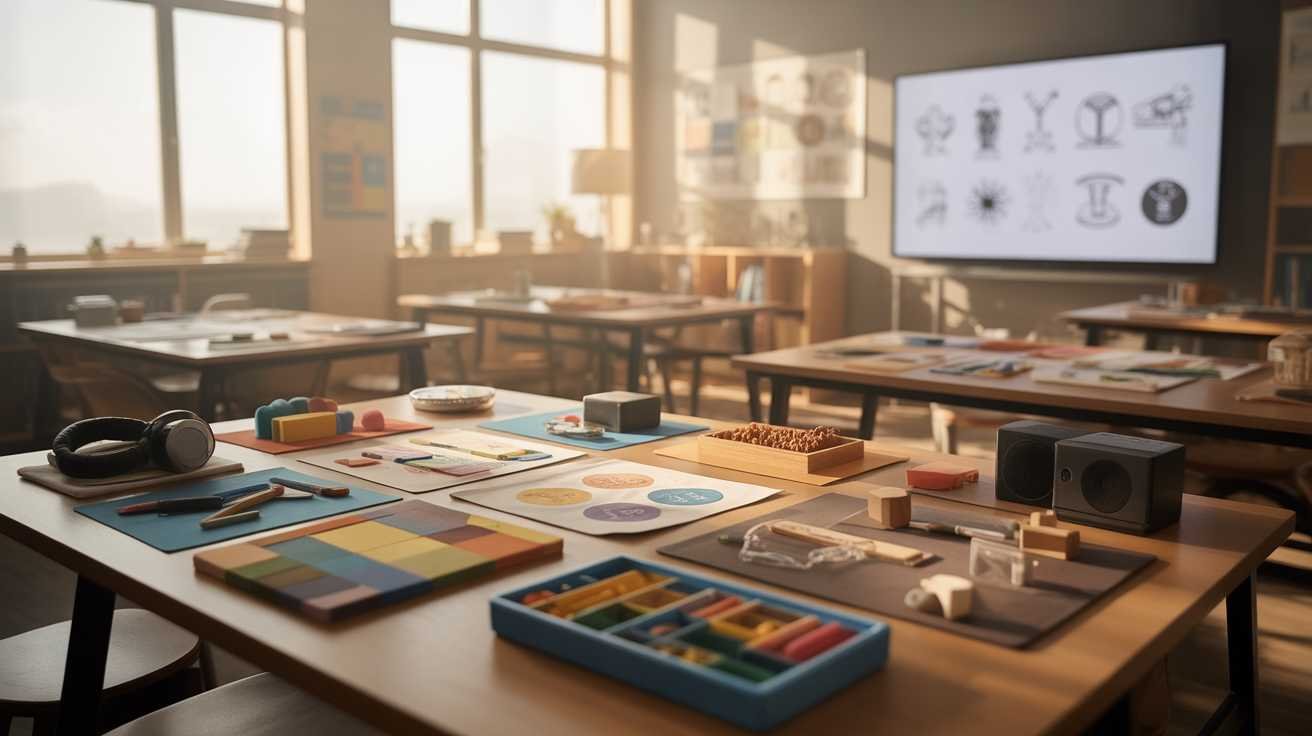
Imagine stepping into a classroom where every student is not just present but fully engaged, their eyes wide with curiosity, their hands eager to participate, and their minds racing with excitement. This isn’t a distant dream – it’s the reality you can create by designing lessons that cater to varied learning styles. In today’s diverse educational landscape, understanding and implementing strategies that address the unique ways students learn is not just beneficial; it’s essential. The urgency to adapt and evolve teaching methods has never been more pressing, and the fear of missing out on this transformative approach could mean leaving students behind.
Understanding the Spectrum of Learning Styles
At the heart of effective lesson design lies a deep understanding of the diverse learning styles that students bring into the classroom. Visual learners absorb information best through images, diagrams, and written instructions. Auditory learners thrive on listening and speaking, processing information through sounds and words. Kinesthetic learners, on the other hand, grasp concepts through movement and hands-on activities. Recognizing these differences is the first step in crafting lessons that resonate with every student. Without this awareness, lessons risk becoming monotonous and disengaging, leaving students disconnected and uninspired.
Incorporating strategies that address these varied learning styles can transform a standard lesson into an immersive experience. For instance, a history lesson can be enriched by combining visual timelines, auditory storytelling, and kinesthetic role-playing. This multimodal approach not only caters to different learning preferences but also reinforces the material through multiple channels, enhancing retention and understanding. The urgency to implement such inclusive strategies is clear – students are more likely to succeed when their individual learning needs are met, and the fear of neglecting these needs could hinder their academic growth.
Integrating Visual Learning Strategies
Visual learners are drawn to images, charts, and written words. To captivate these students, lessons should be rich in visual stimuli. Incorporate infographics, diagrams, and videos that complement the spoken word. For example, when teaching scientific concepts, use detailed diagrams to illustrate processes like photosynthesis or the water cycle. These visual aids serve as anchors, helping students to better grasp complex ideas and retain information longer. The absence of such visual elements can make lessons feel abstract and disconnected, leading to disengagement and frustration.
Additionally, encouraging students to create their own visual representations of the material can deepen their understanding. Have them draw concept maps, design posters, or develop storyboards that encapsulate key concepts. This active engagement not only reinforces learning but also allows students to express their understanding creatively. The fear of missing out on these interactive opportunities could result in students missing the chance to internalize and personalize their learning experiences.
Enhancing Auditory Learning Experiences
Auditory learners excel when information is delivered through sound. To support these students, incorporate discussions, podcasts, and music into your lessons. For instance, a literature class can benefit from listening to audio versions of novels, followed by group discussions that explore themes and character development. This auditory approach allows students to process information through listening, enhancing comprehension and critical thinking skills.
Moreover, encouraging students to verbalize their thoughts and engage in peer discussions can reinforce learning. Implementing think-pair-share activities or Socratic seminars provides platforms for auditory learners to articulate their understanding and learn from others. The absence of such auditory-focused activities can leave these students feeling unheard and disconnected, potentially impacting their academic performance and self-esteem.
Engaging Kinesthetic Learners Through Movement
Kinesthetic learners thrive on movement and hands-on experiences. To engage these students, incorporate activities that involve physical activity and real-world applications. For example, in a math lesson, have students measure objects around the classroom or use manipulatives to solve problems. In a social studies class, organize simulations or role-playing exercises that bring historical events to life. These interactive experiences allow kinesthetic learners to connect abstract concepts to tangible actions, enhancing their understanding and retention.
Furthermore, providing opportunities for students to move around the classroom, such as through station rotations or interactive learning centers, can cater to their need for physical activity. The fear of neglecting these kinesthetic learners could result in disengagement and behavioral issues, as their need for movement is not being addressed within the learning environment.
Implementing Multimodal Instruction Techniques
Multimodal instruction involves combining various teaching methods to address the diverse learning styles present in the classroom. By integrating visual, auditory, and kinesthetic strategies, educators can create a rich and dynamic learning environment that caters to all students. For instance, a science lesson on ecosystems can include a video documentary (visual), a lecture with a Q&A session (auditory), and a hands-on experiment (kinesthetic). This approach not only engages students but also reinforces learning through multiple channels, increasing the likelihood of retention and understanding.
Moreover, incorporating technology into multimodal instruction can enhance its effectiveness. Interactive apps, virtual simulations, and online collaborative tools provide platforms for students to engage with the material in diverse ways. The urgency to adopt such innovative methods is evident – students are digital natives, and integrating technology into lessons can make learning more relevant and engaging for them. The fear of missing out on these technological advancements could result in outdated teaching practices that fail to capture students’ interest and attention.
Assessing and Adapting to Individual Learning Needs
Effective lesson design requires ongoing assessment and adaptation to meet the evolving needs of students. Implement formative assessments, such as quizzes, polls, and exit tickets, to gauge student understanding and identify areas for improvement. Use this data to adjust teaching strategies and provide targeted support where necessary. For example, if a group of students struggles with a particular concept, consider reteaching it using a different approach or providing additional resources for reinforcement.
Additionally, fostering a growth mindset in students can encourage them to take ownership of their learning. Encourage self-reflection and goal-setting, allowing students to identify their strengths and areas for growth. Providing constructive feedback and celebrating progress can motivate students to continue striving for improvement. The fear of neglecting these individualized approaches could result in students feeling unsupported and disengaged, hindering their academic development.
Creating an Inclusive and Supportive Learning Environment
An inclusive learning environment is one where all students feel valued and supported. Establish clear expectations and routines that promote respect and collaboration. Encourage open communication and provide opportunities for students to express their thoughts and concerns. Incorporate diverse perspectives and materials that reflect the backgrounds and experiences of all students, fostering a sense of belonging and inclusivity.
Moreover, providing accommodations and modifications as needed can ensure that all students have equal access to learning opportunities. This may include offering extended time on assignments, providing alternative formats for materials, or implementing assistive technologies. The urgency to create such an environment is paramount – students who feel included and supported are more likely to engage with the material and succeed academically. The fear of missing out on these inclusive practices could result in students feeling marginalized and disconnected from the learning process.
Leveraging Educational Philosophy Books to Inform Practice
Educational philosophy books offer valuable insights into the principles and theories that underpin effective teaching practices. Works such as “Pedagogy of the Oppressed” by Paulo Freire and “Experience and Education” by John Dewey provide foundational knowledge that can inform lesson design and instructional strategies. These texts explore the importance of student-centered learning, critical thinking, and the role of education in fostering social change.
Integrating the ideas from these educational philosophy books into your teaching practice can enhance your understanding of diverse learning needs and inform your approach to lesson design. For instance, Freire’s emphasis on dialogue and collaboration can inspire you to create interactive learning experiences that encourage student participation and critical thinking. Dewey’s focus on experiential learning can guide you in developing hands-on activities that connect theory to practice. The urgency to engage with these philosophical perspectives is clear – by grounding your teaching in these principles, you can create more meaningful and effective learning experiences for your students. The fear of missing out on this depth of understanding could limit your ability to adapt and innovate in your teaching practice.
Embracing Continuous Professional Development
Education is an ever-evolving field, and staying informed about the latest research and best practices is crucial for effective teaching. Engage in continuous professional development by attending workshops, participating in online courses, and collaborating with colleagues. This ongoing learning not only enhances your skills but also keeps you abreast of new strategies and technologies that can benefit your students.
Moreover, seeking feedback from students and peers can provide valuable insights into your teaching effectiveness and areas for improvement. Implementing this feedback and making necessary adjustments demonstrates a commitment to growth and excellence in teaching. The urgency to prioritize professional development is evident – teachers who invest in their own learning are better equipped to meet the diverse needs of their students. The fear of missing out on these growth opportunities could result in stagnation and a diminished impact on student learning.