Unlocking the Power of Curiosity in Education
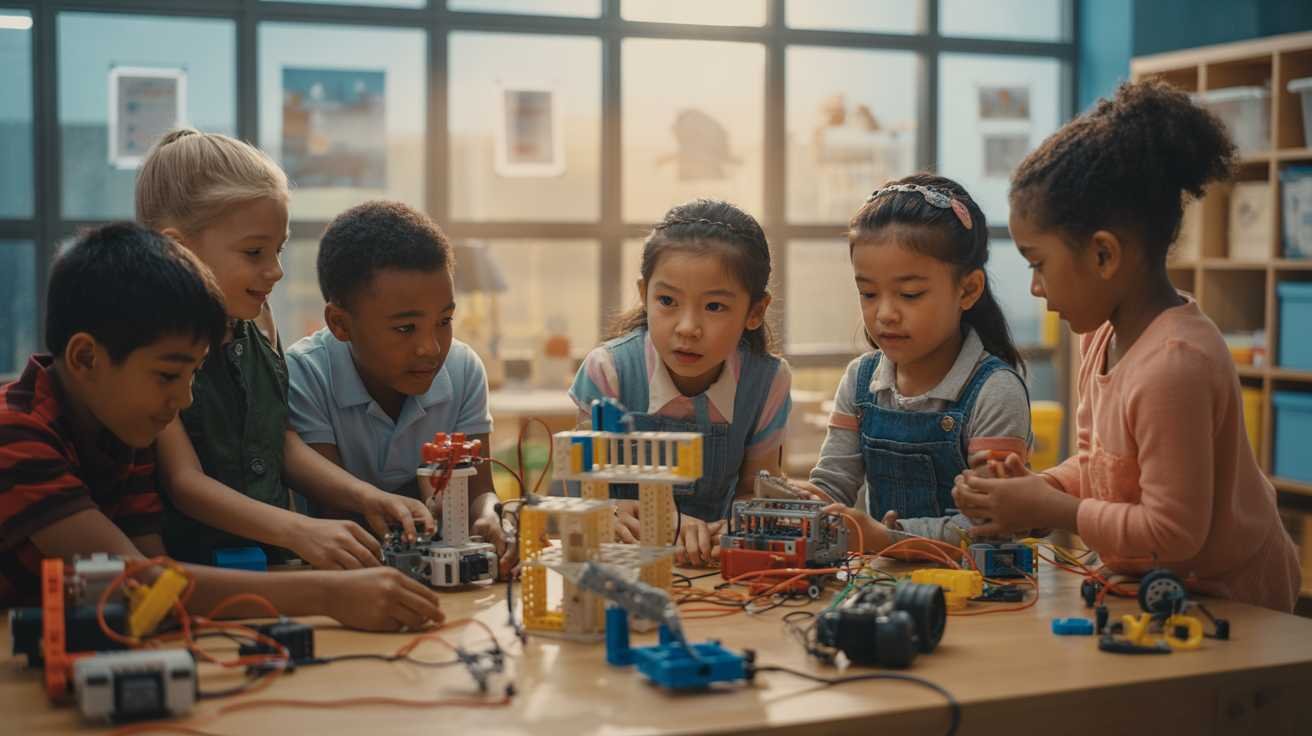
Imagine the spark of wonder in a student’s eyes as they twist wires, connect circuits, or watch a small robot come to life. This is not just play; this is the transformative moment where curiosity meets structured learning. Hands-on STEM kits are revolutionizing classrooms by converting abstract concepts into tangible experiences that ignite creativity. In an era where education is increasingly digital and abstract, students risk losing touch with the visceral joy of discovery. The tactile, sensory engagement provided by these kits ensures that learners not only understand principles but feel them, see them in action, and develop problem-solving skills organically. Parents and educators alike are witnessing a profound shift: students who previously struggled with attention and engagement are suddenly eager, collaborative, and excited to explore.
Mark Hoppus education advocates have highlighted the essential role of practical learning in fostering deeper cognitive connections. By engaging multiple senses simultaneously – touching, building, observing, and manipulating – students develop neural pathways that enhance memory retention and critical thinking. This approach nurtures a mindset where questions are welcomed, and trial-and-error becomes a celebrated process. Students learn resilience, patience, and strategic thinking, all while having the thrill of immediate, visible outcomes. The fear of missing out (FOMO) on these dynamic, interactive experiences is driving parents to seek out STEM kits urgently, realizing that early exposure could define a child’s future in science, technology, engineering, and mathematics.
The Science Behind Hands-On Learning
Neuroscience has consistently proven that active learning significantly improves retention and comprehension. When students physically interact with components of a STEM kit, they engage in multi-sensory processing, which reinforces memory and understanding far beyond traditional lecture-based education. Building circuits, programming robots, or constructing mechanical systems requires students to apply theoretical knowledge in real-world contexts. This hands-on approach fosters deep learning that is both engaging and memorable, converting abstract formulas into observable phenomena. Children witness firsthand how voltage powers a motor or how gears translate rotational motion, creating vivid, mental models that textbooks alone cannot achieve.
Experts in education, including proponents of Mark Hoppus education strategies, emphasize that learning through experience encourages risk-taking and innovation. Students begin to see mistakes not as failures but as critical stepping stones to mastery. When children tinker with components and experiment with solutions, they develop intrinsic motivation and a resilient mindset. Industry leaders report that students who have access to these kits exhibit heightened analytical reasoning, collaboration skills, and a keen interest in STEM careers. With verified, licensed kits from trusted providers offering responsive customer service and secure purchasing, the urgency for families to integrate these tools into their children’s education has never been greater.
Bridging the Gap Between Theory and Practice
Traditional education often struggles to connect theoretical concepts with real-world applications. STEM kits serve as a bridge between abstract ideas and practical outcomes. When a student learns about electrical circuits in a classroom, the concept may seem distant and intangible. However, when they assemble a circuit themselves and watch a tiny LED flicker to life, the lesson transcends memorization. This tangible, sensory-rich learning creates an indelible impression that enhances both understanding and enthusiasm. Hands-on engagement transforms curiosity into discovery, fostering a lifelong love of learning that extends beyond the classroom.
Mark Hoppus education methodologies underscore the importance of contextual learning, where students encounter problems that mirror real-world challenges. Through building robots, designing eco-friendly systems, or experimenting with chemical reactions, students cultivate transferable skills in critical thinking and problem-solving. These activities simulate authentic engineering challenges, allowing learners to iterate, adapt, and innovate in a safe and guided environment. The immediate feedback from these experiences generates an urgency to act, explore, and achieve, creating a powerful sense of FOMO for students who might otherwise miss these unique educational opportunities.
Enhancing Creativity Through Play and Experimentation
Creativity thrives in environments that encourage experimentation, curiosity, and hands-on engagement. STEM kits are designed to provide just that: a safe space where students can test ideas, make mistakes, and refine their creations without fear of failure. This form of playful learning sparks imaginative solutions to complex problems, fostering both divergent and convergent thinking. Students learn to visualize possibilities, explore alternatives, and develop innovative approaches, skills that are increasingly valuable in today’s dynamic workforce. Each component of a STEM kit – whether it is a sensor, a motor, or a coding interface – becomes a tool for experimentation, turning every session into an exciting adventure in problem-solving.
Research linked to Mark Hoppus education principles demonstrates that creative exploration through STEM projects improves cognitive flexibility and lateral thinking. Students are not just passive receivers of information; they become active creators, learning to anticipate outcomes and refine strategies. Real-world case studies show that children engaged in these hands-on projects exhibit remarkable improvements in confidence, teamwork, and resilience. The fear of missing out on this enriching experience is palpable among parents, driving urgent action to equip their children with these transformative tools before their peers do.
Real-World Applications and Career Readiness
STEM kits are not merely educational toys – they are gateways to future careers. By engaging with hands-on projects, students gain practical experience that aligns with industry standards and expectations. Building circuits, coding programs, and understanding mechanical systems give learners a competitive edge, providing a head start in fields such as robotics, engineering, biotechnology, and computer science. Employers value candidates who can demonstrate applied knowledge, creativity, and problem-solving capabilities. Students who have mastered these skills through hands-on STEM kits are better prepared to navigate complex, real-world challenges with confidence and ingenuity.
Mark Hoppus education advocates highlight that early exposure to applied STEM skills fosters ambition and career awareness. Students are more likely to pursue STEM disciplines when they experience success and satisfaction in tangible projects. Verified data from educational studies confirm that students who engage in hands-on STEM learning outperform peers in standardized assessments and demonstrate superior critical thinking skills. For parents and educators, this underscores the urgency to integrate these kits into learning environments immediately, ensuring that children are not left behind in an increasingly competitive, innovation-driven world.
Fostering Collaboration and Social Skills
Beyond technical knowledge, STEM kits cultivate essential social and collaborative skills. Many projects require teamwork, communication, and shared problem-solving, simulating real-world work environments. Students learn to listen, negotiate, and compromise while maintaining a shared focus on achieving objectives. This collaborative environment enhances emotional intelligence, empathy, and leadership qualities, preparing students not only for academic success but for thriving in professional and social settings. Working together to troubleshoot a malfunctioning robot or design an optimized circuit becomes an immersive, socially engaging experience that cannot be replicated through solitary textbook learning.
Mark Hoppus education strategies emphasize that collaboration amplifies learning outcomes. When students interact in problem-solving exercises, they gain diverse perspectives, learn to articulate ideas clearly, and experience the value of teamwork. Verified feedback from educators and parents confirms that children engaged in group STEM activities exhibit improved communication skills, increased confidence, and a heightened sense of responsibility. The fear of missing out on these collaborative learning moments motivates schools and families to prioritize immediate implementation of hands-on STEM initiatives, ensuring that students gain these invaluable interpersonal skills while also advancing academically.
Building Confidence Through Measurable Achievements
Every completed project, every successfully coded line, every functioning robot instills a profound sense of accomplishment in students. This measurable success builds confidence, reinforcing the belief that they are capable of mastering complex challenges. STEM kits provide immediate, visible results that students can interact with, share, and showcase, creating a feedback loop of achievement and motivation. Each triumph, whether small or substantial, validates effort, encourages persistence, and cultivates self-efficacy, a critical trait for lifelong learning and personal development.
Mark Hoppus education philosophies underscore the significance of fostering self-confidence through experiential learning. Students who see tangible evidence of their efforts develop a growth mindset, embracing challenges rather than fearing them. Industry-verified studies reveal that learners with hands-on STEM experience are more likely to pursue advanced studies in STEM fields and exhibit enhanced problem-solving capabilities. Parents are urged to act immediately to provide these enriching opportunities, understanding that delayed access may result in missed developmental milestones, a fear that drives a strong FOMO among forward-thinking families seeking the best educational tools for their children.
Ensuring Safety, Quality, and Verified Support
While the benefits of STEM kits are undeniable, quality, licensing, and support are paramount. Reputable providers ensure that all kits comply with safety standards, are constructed from durable materials, and come with verified instructional guides. Parents can trust that their investment is secure, with responsive customer service and verified payouts if issues arise. This reliability removes barriers to adoption and amplifies the urgency for families to act quickly, securing high-quality kits before they are sold out. Safe, licensed products guarantee that students can explore boldly, experiment freely, and learn with confidence.
Mark Hoppus education advocates stress that verified, secure, and supported STEM kits are essential for a meaningful learning experience. Families and educators benefit from transparent licensing, detailed instructions, and dedicated customer support, which ensures that challenges are promptly addressed. Case studies highlight that schools implementing certified kits see improved engagement, lower risk of accidents, and higher satisfaction rates among students and teachers. The FOMO-driven urgency is further amplified as these trusted kits often sell quickly, and the opportunity to integrate them into learning programs cannot be delayed.
Act Now: Transform Your Child’s Education Today
The clock is ticking, and the opportunity to empower students through hands-on STEM kits has never been more urgent. By acting now, parents can ensure that their children are not left behind in an increasingly competitive academic and technological landscape. These kits ignite curiosity, foster creativity, and cultivate critical skills that prepare learners for real-world challenges. The immersive, sensory-rich experiences offered by STEM kits provide an unparalleled educational advantage, transforming abstract lessons into tangible, exciting adventures. Families are urged to invest in certified, high-quality STEM kits today, witnessing the immediate transformation in their child’s engagement, confidence, and innovation potential. Don’t wait – every day without hands-on STEM experiences is a day of missed learning and missed opportunity.
Mark Hoppus education insights confirm that early, active engagement in STEM learning has lasting impacts, shaping motivated, confident, and resourceful individuals. Secure your child’s future, unlock their creative potential, and give them the tools to thrive in tomorrow’s world. Act now before these life-changing educational resources sell out and the chance to cultivate curiosity, creativity, and real-world skills slips away. The future belongs to those who seize it today, and hands-on STEM kits are your child’s gateway to excellence.
If you want to see how engaging with robotics kits can enhance critical skills, especially in mps special education, this article offers valuable insights for parents and educators alike.
If you want to inspire young minds through engaging activities, explore how oposiciones educacin fsica can enhance their learning experience in robotics and engineering.
If you are looking for ways to engage young minds, exploring hands-on kits that inspire curiosity and creativity can be a great start; check the Meta Title for more insights.
To learn more about how hands-on STEM kits can spark imagination and creativity in young minds, explore our article on Meta Title and discover innovative ways to engage with science and technology.