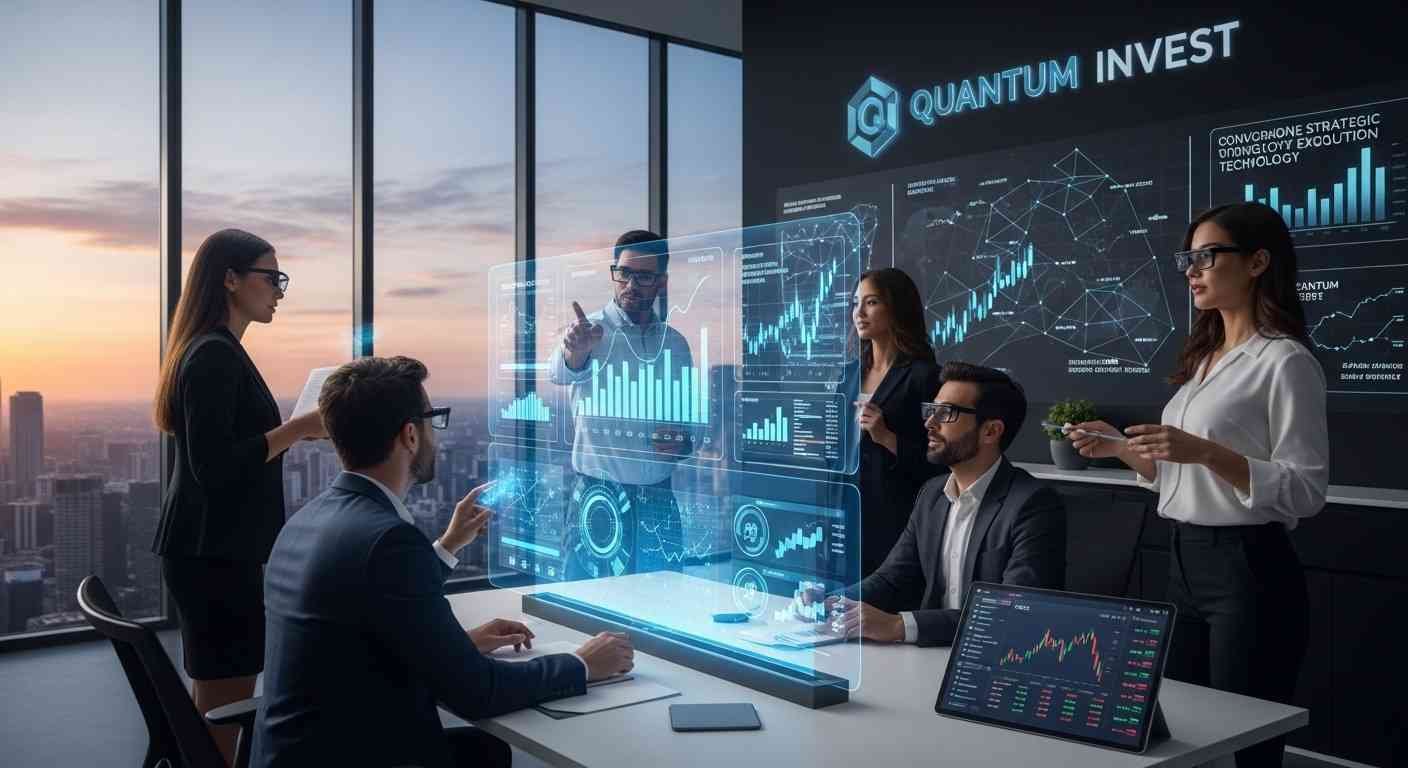
The era of traditional enterprise resource planning (ERP) is giving way to headless ERP systems, and the fashion industry is at the forefront of this transformation. Headless ERP customer experience fashion brand strategies are reshaping how designers, retailers, and consumers interact, creating a seamless, personalized, and data-driven retail environment that was previously unattainable. Imagine walking into a boutique where every recommendation, every display, and every service aligns perfectly with your tastes and preferences. That is the power of headless ERP.
Unlike monolithic ERP systems that bundle front-end and back-end processes, headless ERP separates the presentation layer from the back-end functionality. This architecture allows fashion brands to deliver highly customized customer experiences without compromising the integrity of inventory management, order processing, or supply chain coordination. For fashion executives, this separation is not just a technical detail – it is a competitive advantage.
Breaking Down the Headless ERP Advantage
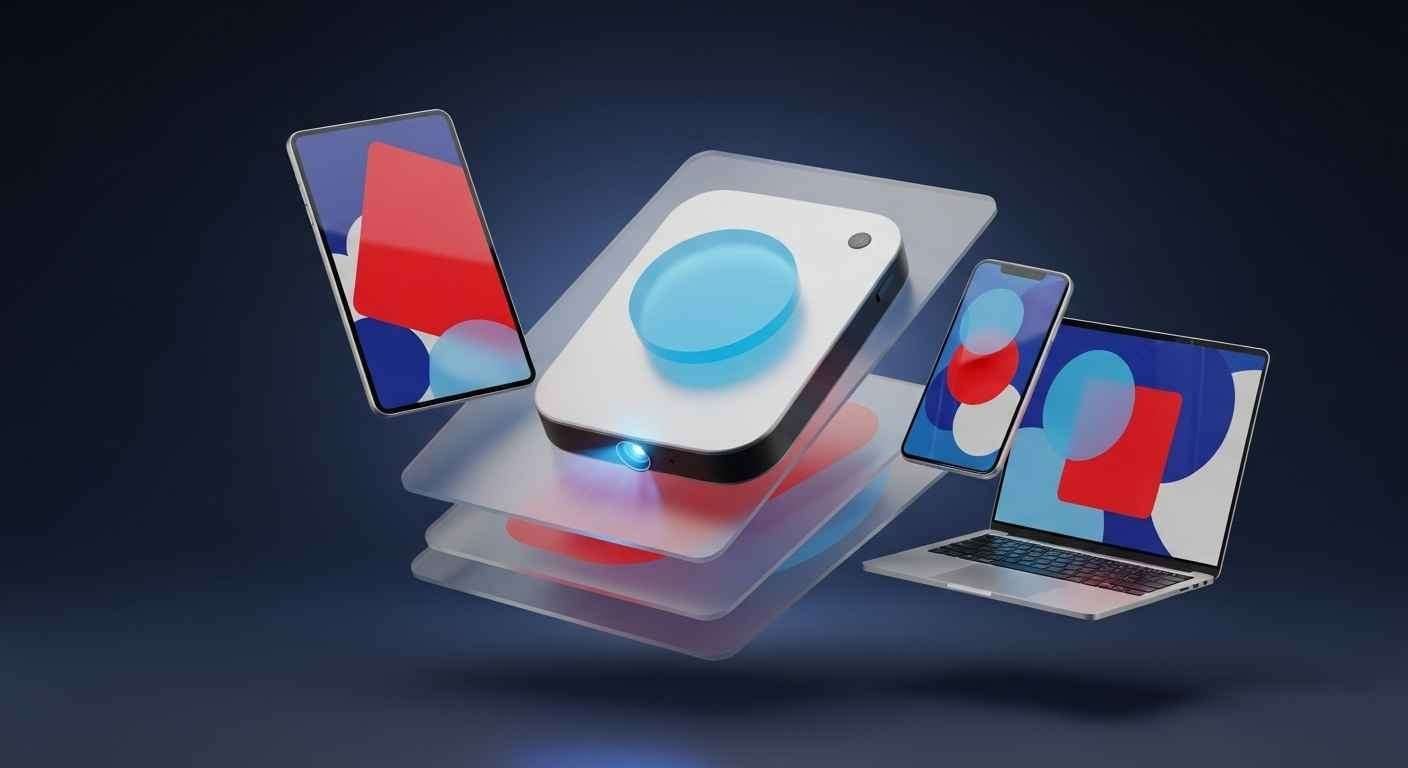
Headless ERP systems are not just about flexibility – they are about agility. In the fast-paced fashion industry, trends change overnight. A traditional ERP can struggle to respond to a sudden spike in demand for a new style or color. Headless ERP, on the other hand, allows brands to push updates, promotions, and personalized experiences to multiple touchpoints simultaneously, from e-commerce platforms to physical stores, mobile apps, and social media channels.
The tactile experience of wearing a product that feels tailored to your needs is enhanced when a brand’s backend operations are synchronized perfectly. Inventory is accurate, delivery times are precise, and customer service teams are empowered with real-time information. The result is an emotional satisfaction that goes beyond the fabric – customers feel understood and valued, a sensation that drives loyalty and repeat purchases.
Integration capabilities are another major strength. Headless ERP systems can communicate with AI-driven recommendation engines, advanced analytics, and CRM platforms. This interconnected ecosystem ensures that every customer interaction is informed by data, enabling fashion brands to anticipate needs and curate offerings that feel intuitive rather than forced.
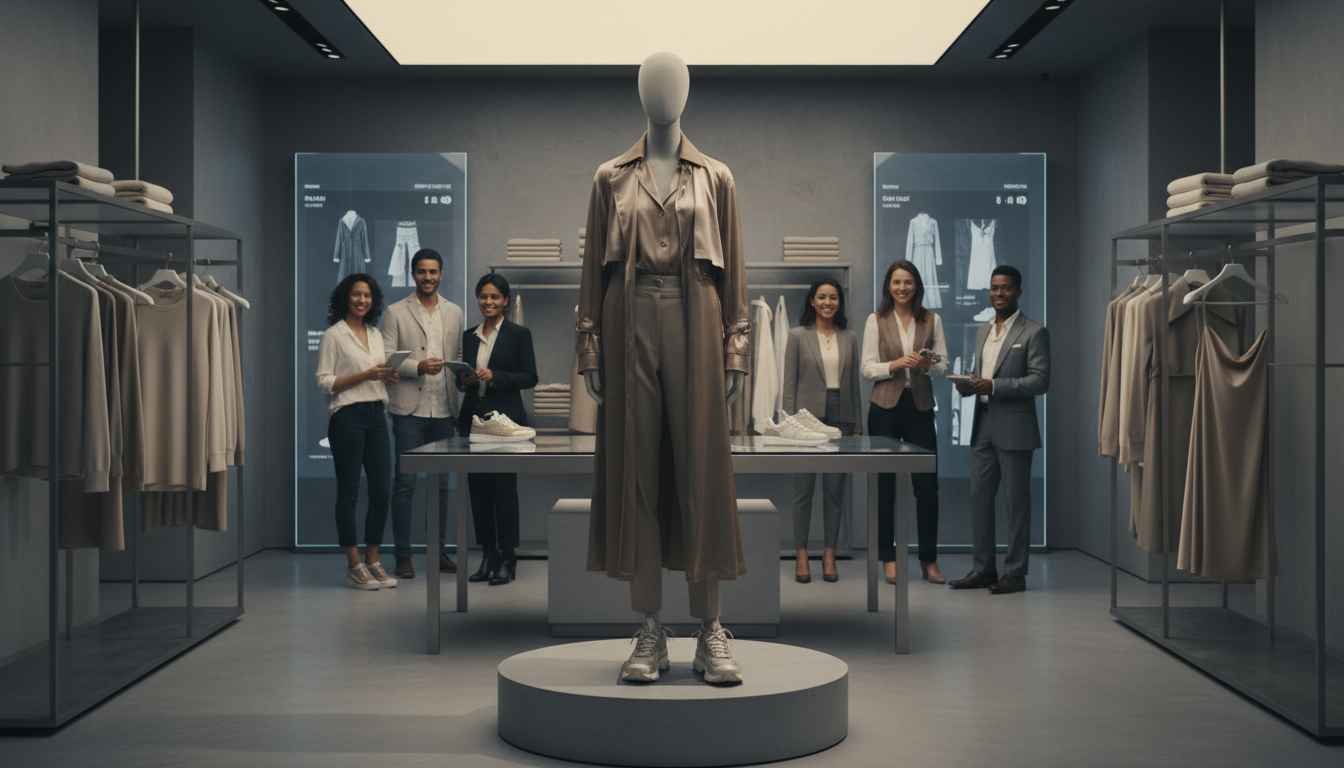
For instance, a luxury menswear retailer can track purchasing behavior across online and offline channels, then use predictive analytics to suggest a perfectly matched suit or tuxedo for an upcoming event. This experience is not hypothetical – it mirrors the personalized service once reserved for boutique stores but now available at scale thanks to headless ERP. Interested buyers can explore the latest in menswear at BlackTie.com and experience firsthand how backend efficiency translates into front-end delight.
Investment Portfolio Breakdown: How Headless ERP Impacts Fashion Brands
Consider headless ERP as an investment portfolio for operational efficiency and customer satisfaction:
1. Customer Experience Equity: Headless ERP enhances personalization, responsiveness, and engagement, the key drivers of lifetime value.
2. Operational Bonds: Streamlined back-office processes reduce human error, optimize inventory, and improve supply chain resilience.
3. Innovation Dividends: Flexible architecture allows rapid deployment of new digital touchpoints, integrating emerging technologies like augmented reality (AR) for virtual try-ons or AI-powered styling advice.
As we navigate through the ever-evolving world of fashion, it’s fascinating to observe how vintage styles continue to inspire contemporary trends. The allure of nostalgia holds a special place in our hearts, inviting us to revisit the elegance of bygone eras. In this exploration of style, we find that vintage fashion art prints are not just mere decorations; they are vibrant reflections of history and culture, redefining our understanding of aesthetics. These prints capture the essence of timeless elegance, offering a unique way to incorporate classic styles into modern wardrobes. Join us as we delve deeper into how these captivating artworks are reshaping the landscape of fashion today.
4. Risk Mitigation Assets: By decoupling front-end and back-end operations, brands reduce system downtime risks and can experiment with new platforms without disrupting core processes.
Each “asset” in this portfolio contributes to a cumulative return: increased sales, brand loyalty, and a distinctive market presence. Fashion executives who embrace headless ERP gain both operational efficiency and the ability to cultivate a premium customer experience that feels effortless.
Myth-Busting Sidebar
Myth: Headless ERP is only for tech giants.
Fact: Even emerging fashion brands can leverage headless ERP to provide personalized experiences and streamline operations without prohibitive costs.
Myth: Decoupling the front-end and back-end increases complexity.
Fact: While there is an initial learning curve, headless ERP simplifies long-term operations by providing flexibility and scalability that monolithic systems cannot.
Physical Sensation of the Headless ERP Experience
Imagine the confidence of slipping into a suit that fits not just your body but your lifestyle. The smoothness of the fabric, the precise alignment of stitching, and the comfort of mobility are mirrored in the digital experience: intuitive navigation, accurate sizing recommendations, and on-time delivery. Headless ERP doesn’t just manage products – it manages the seamless translation of operational efficiency into sensory satisfaction.
Who Should Avoid This or Potential Drawbacks
While headless ERP offers immense advantages, it is not a universal solution. Brands with highly standardized product lines, minimal online presence, or limited resources for initial system setup may not realize immediate benefits. Transitioning to a headless ERP requires investment in technical expertise and potentially redesigning existing workflows, which can be disruptive if not carefully managed.
Additionally, headless ERP requires continuous monitoring to ensure that integrations remain up to date. Poorly managed connections between front-end platforms and back-end systems can create inconsistencies that undermine the customer experience. Therefore, brands must commit to ongoing maintenance and strategic oversight to fully capitalize on this architecture.
Quantifying the ROI
Early adopters of headless ERP in fashion report measurable improvements. Inventory accuracy can increase by up to 30%, order fulfillment times can drop by 20%, and personalized marketing campaigns see conversion rates rise by over 25%. These numbers translate into both tangible revenue growth and intangible brand value. More importantly, customers notice the difference: a cohesive, personalized, and responsive experience fosters loyalty in an industry where repeat buyers are the cornerstone of sustainable growth.
The Strategic Imperative for Fashion Brands
The competitive landscape of fashion is unforgiving. Trends shift with the seasons, and consumers expect not only exceptional products but exceptional service. Headless ERP customer experience fashion brand strategies provide the agility, personalization, and operational clarity that brands need to thrive. It is no longer sufficient to rely solely on traditional ERP systems or one-size-fits-all digital platforms.
Brands that adopt headless ERP position themselves at the intersection of technology and customer intimacy. By doing so, they create an ecosystem where every touchpoint – from browsing a digital storefront to receiving a delivered garment – reinforces brand values and enhances consumer satisfaction. In this context, headless ERP is not merely a tool; it is a strategic enabler for sustained growth and market differentiation.
In conclusion, headless ERP is redefining what it means to provide a superior customer experience in the fashion industry. From operational efficiency to personalized engagement, the benefits are tangible, measurable, and deeply felt by both consumers and employees. For fashion brands committed to delivering an experience that resonates on both an emotional and practical level, headless ERP is the new standard.