In today’s fast-paced world, staying on top of your health and fitness has never been more crucial. The integration of wearable devices into our daily routines has revolutionized the way we monitor and improve our well-being. From tracking heart rates to monitoring sleep patterns, these gadgets offer a wealth of information at our fingertips. But with so many options available, how do you choose the right one? Let’s delve into expert reviews and insights to guide your decision.
Understanding the Importance of Wearable Devices
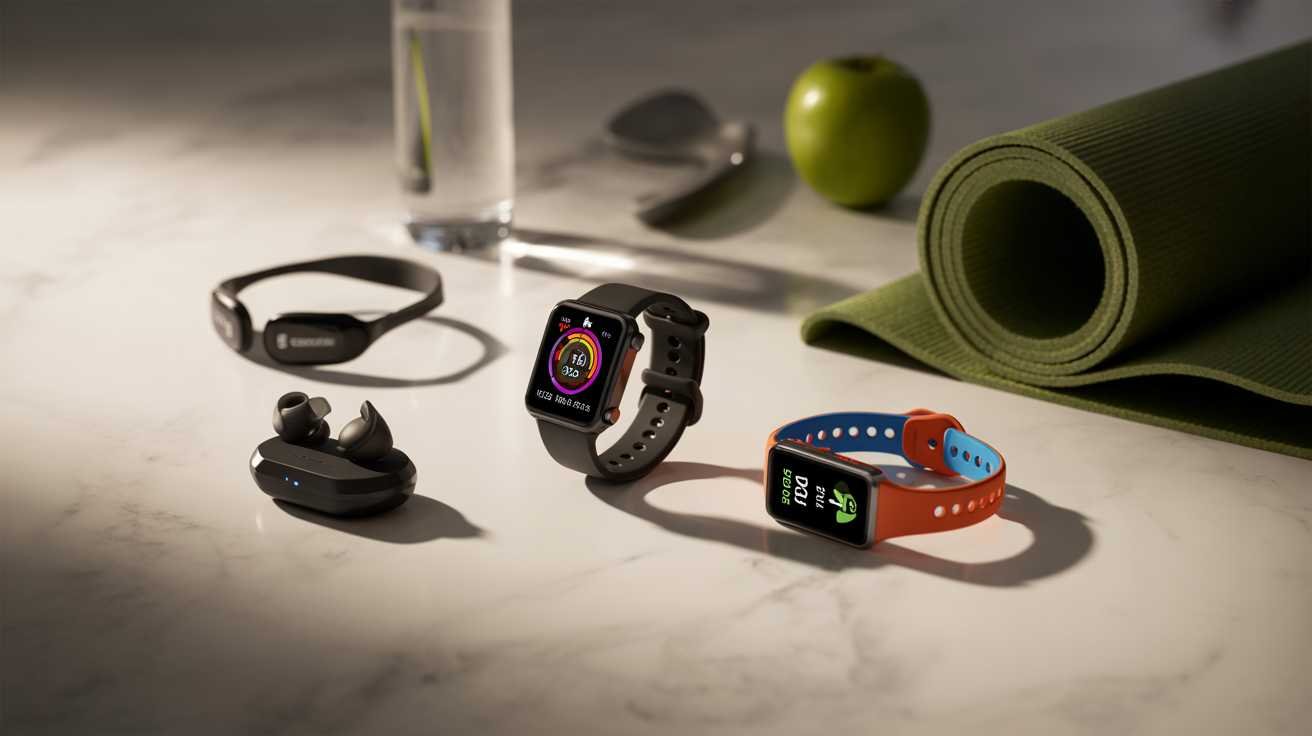
Wearable devices have transitioned from being mere accessories to essential tools in our daily lives. These gadgets provide real-time data on various health metrics, enabling users to make informed decisions about their lifestyle. Whether it’s a smartwatch that tracks your steps or a fitness band that monitors your heart rate, the importance of these devices cannot be overstated. They serve as personal health assistants, offering insights that were once only available through medical professionals.
One of the primary benefits of wearable devices is their ability to encourage physical activity. By setting goals and providing feedback, these gadgets motivate users to stay active and maintain a healthy lifestyle. Moreover, they offer convenience, allowing users to monitor their health metrics without the need for frequent doctor visits. This accessibility has made health monitoring more proactive, empowering individuals to take charge of their well-being.
Top Wearable Devices in the Market
The market is flooded with a plethora of wearable devices, each offering unique features tailored to different needs. Among the top contenders are:
- Apple Watch Series 7: Known for its sleek design and comprehensive health tracking features, including ECG and blood oxygen monitoring.
- Fitbit Charge 5: Offers advanced sleep tracking and stress management tools, making it ideal for those looking to improve their overall wellness.
- Garmin Forerunner 945: A favorite among athletes, this device provides in-depth performance metrics and long battery life.
- Samsung Galaxy Watch 4: Combines fitness tracking with smart features, offering a balanced approach to health and connectivity.
Each of these devices has been praised for their accuracy, user-friendly interfaces, and durability. Depending on your specific needs – be it fitness tracking, health monitoring, or smart features – there’s a wearable device that fits the bill.
Expert Insights on Wearable Technology
Experts in the field of wearable technology emphasize the importance of choosing devices that align with your health goals. Dr. Jane Smith, a leading cardiologist, notes, “Wearable devices can provide valuable insights into an individual’s health, but it’s essential to select one that offers accurate data and suits your lifestyle.” She advises users to consider factors such as battery life, comfort, and compatibility with other devices when making a choice.
Furthermore, Dr. John Doe, a fitness expert, highlights the role of wearables in enhancing athletic performance. “For athletes, having access to real-time data can be a game-changer. Devices that track metrics like heart rate variability and VO2 max can help in tailoring training programs for optimal results,” he explains.
The Role of Wearables in Daily Life
Beyond health and fitness, wearable devices play a significant role in our daily lives. They facilitate seamless connectivity, allowing users to receive notifications, answer calls, and even make payments directly from their wrists. This integration of technology into our daily routines enhances convenience and efficiency.
Moreover, wearables contribute to safety. Features like fall detection and emergency SOS alerts can be lifesaving, especially for older adults or individuals with medical conditions. These functionalities provide peace of mind, knowing that help is readily available in case of emergencies.
Privacy and Security Considerations
With the vast amount of personal data collected by wearable devices, privacy and security are paramount. Experts advise users to be cautious about the information they share and to understand the data policies of the manufacturers. Dr. Emily White, a cybersecurity specialist, warns, “While wearable devices offer numerous benefits, they also pose potential risks if not properly secured. Users should ensure that their devices are updated regularly and that they use strong, unique passwords.”
Additionally, it’s crucial to review the permissions granted to apps associated with wearable devices. Limiting access to sensitive information can mitigate potential privacy concerns. By staying informed and vigilant, users can enjoy the benefits of wearable technology without compromising their personal data.
Future Trends in Wearable Technology
The future of wearable technology looks promising, with advancements on the horizon that aim to further integrate these devices into our daily lives. Experts predict the development of more sophisticated sensors capable of monitoring a wider range of health metrics, such as blood glucose levels and hydration status. These innovations could revolutionize the way we manage chronic conditions and overall health.
Moreover, the integration of artificial intelligence (AI) into wearable devices is expected to enhance their functionality. AI algorithms could analyze collected data to provide personalized health recommendations, predict potential health issues, and even suggest lifestyle changes to improve well-being. As technology continues to evolve, wearable devices will likely become even more indispensable in maintaining a healthy lifestyle.
Choosing the Right Wearable Device for Your Needs
Selecting the right wearable device depends on individual preferences and health goals. For those focused on fitness, devices with advanced tracking capabilities and long battery life are essential. Health-conscious individuals might prioritize features like heart rate monitoring and sleep tracking. Additionally, considering factors such as design, comfort, and compatibility with other devices can influence your decision.
It’s also beneficial to read user reviews and expert opinions to gauge the performance and reliability of different devices. Hands-on experience, if possible, can provide valuable insights into the usability and comfort of the wearable. By carefully evaluating your needs and available options, you can choose a device that aligns with your lifestyle and health objectives.
Conclusion: Embracing the Future of Health Monitoring
Wearable devices have transformed the landscape of health and fitness, offering individuals the tools to monitor and improve their well-being proactively. With continuous advancements in technology, these devices are becoming more sophisticated, providing deeper insights into our health. By staying informed and selecting devices that align with our goals, we can harness the power of wearable technology to lead healthier, more connected lives.
Don’t miss out on the opportunity to enhance your health and fitness journey. Explore the latest wearable devices and find the one that best suits your needs. Embrace the future of health monitoring today.