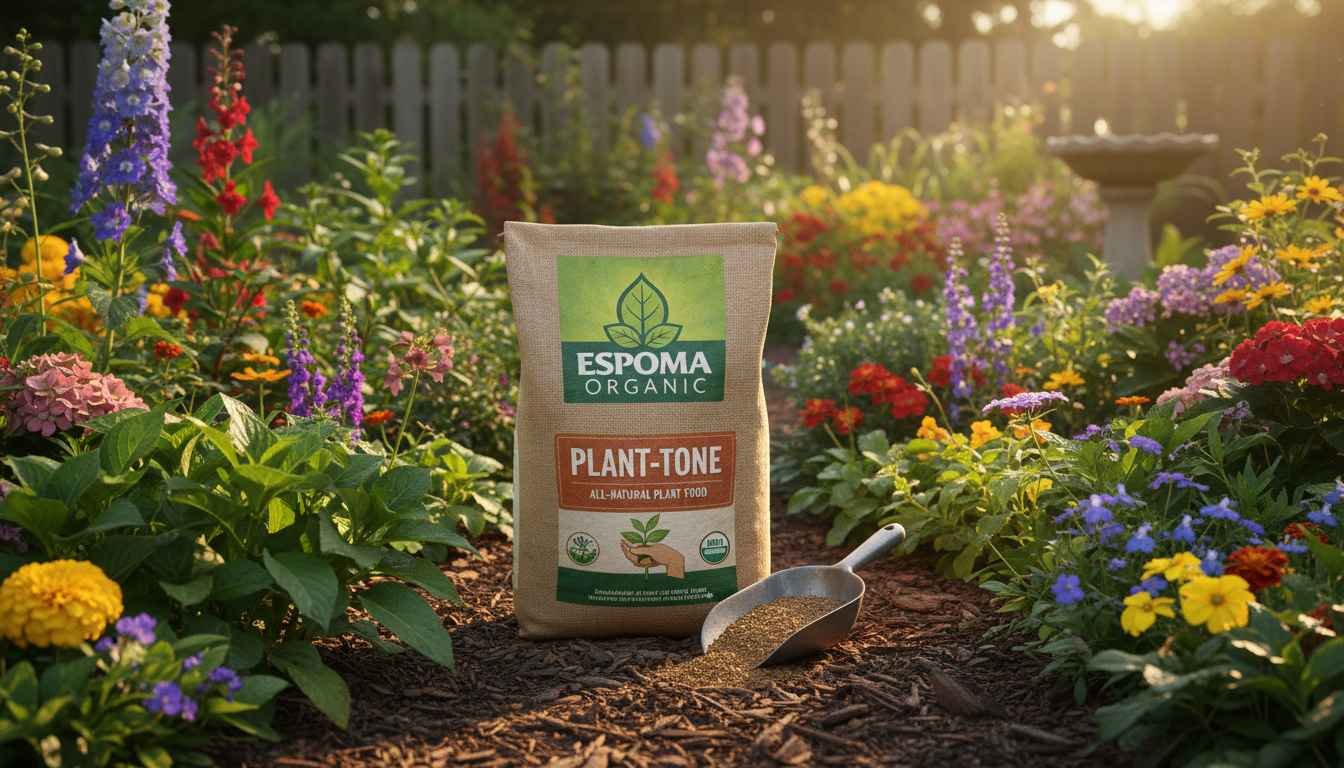
Picture this, a sunny Saturday morning with the smell of fresh soil in the air and the gentle buzz of bees hovering around your garden. You’re armed with a bag of espoma organic plant food and a mission: transform your plants into the greenest, happiest versions of themselves. No matter if you’re nurturing roses, tomatoes, or a thriving herb patch, this step-by-step guide will make the process feel like a playful weekend adventure rather than a chore.
Step one is all about preparation. Clear your garden beds or pots of any dead leaves and weeds. This not only gives your plants room to grow but ensures that the nutrients from espoma organic plant food go directly to the roots that need them most. For container plants, loosen the soil gently with a trowel, making sure not to disturb the roots too much.
Step two involves mixing the food. Espoma organic plant food comes in granular form, which makes it easy to apply evenly. Measure according to your plant’s size – smaller plants need just a teaspoon or so, while larger shrubs can handle a generous handful. Spread the granules lightly over the soil surface and then water thoroughly to help the nutrients penetrate down to the roots.
Step three is timing. Organic plant food works best when applied during the active growing season, typically spring through early fall. For flowering plants, consider feeding them every four to six weeks, while vegetables benefit from a feeding every two to three weeks. Remember, consistency is key, but overfeeding can overwhelm your plants, so stick to the recommended schedule.
Step four is observation. After feeding, keep an eye on your plants’ leaves and stems. A healthy plant will show vibrant green foliage and steady growth within a few weeks. If you notice yellowing leaves or stunted growth, it might indicate that your soil needs more than just organic fertilizer – sometimes a soil test is a helpful way to check pH and nutrient levels.
Step five is maintenance. Continue to water your plants regularly, but avoid flooding the soil, which can wash away the nutrients you’ve so carefully applied. Mulching around the base of your plants can help retain moisture and improve soil health over time, making the most of the espoma organic plant food you’ve used.
Exploring the diverse and rich culinary traditions of Bosnia and Herzegovina offers a delightful journey through flavors and history. The region’s gastronomy is influenced by a mix of cultures, including Ottoman, Mediterranean, and Austro-Hungarian, resulting in a unique array of dishes that reflect its heritage. From hearty stews to sweet pastries, each meal tells a story of the land and its people. To help you navigate this flavorful landscape, we’ve compiled a comprehensive list of bosnia and herzegovina food recipes that capture the essence of authentic Bosnian cooking. Whether you’re a seasoned chef or a curious beginner, these recipes will inspire you to bring a taste of Bosnia into your kitchen.
While working in the garden, it’s a perfect moment to enjoy a small indulgence. For me, that means a quick stop by the Lindt Home of Chocolate café after a morning of planting. A little treat makes gardening feel like a full sensory experience, from earthy smells to rich chocolate flavors. Plus, it’s a good way to reward yourself for all that hard work nurturing your green friends.
Budget Breakdown
To help plan your gardening expenses, here’s a pie-chart description: 40% on organic plant food, 25% on soil amendments, 20% on tools and containers, 10% on mulch, and 5% on small treats like chocolate or tea to enjoy while gardening. This visualization can help ensure your gardening remains both effective and budget-friendly.
Potential Drawbacks
Even though espoma organic plant food is gentle and eco-friendly, it isn’t perfect for every situation. Avoid using it on newly germinated seeds, as the concentrated nutrients can burn delicate seedlings. If your garden has very nutrient-rich soil already, adding too much fertilizer can cause excessive leaf growth at the expense of flowers or fruit. Lastly, if you’re aiming for a rapid-growth solution, organic plant food is slower acting compared to synthetic options, so patience is essential.
Who Should Avoid This
People with severe allergies to natural ingredients such as feather meal or poultry by-products – common components in some espoma blends – should take caution. It’s also not ideal for hydroponic systems, as granular forms require soil to break down and release nutrients. In those cases, liquid alternatives may be a better choice.
Final Tips for Maximum Growth
Mixing your espoma organic plant food into the soil rather than just sprinkling on top can help release nutrients gradually. Combine it with compost for added microbial life, which improves soil health and plant resilience. Finally, keep a small notebook to track feeding schedules and plant responses; it turns gardening into a playful science experiment and ensures your plants thrive season after season.
By following these steps, your garden will flourish, bringing joy, color, and even edible delights to your outdoor space. Espoma organic plant food isn’t just fertilizer – it’s a tool for creating an interactive, rewarding gardening experience that nurtures both plants and your playful weekend spirit.