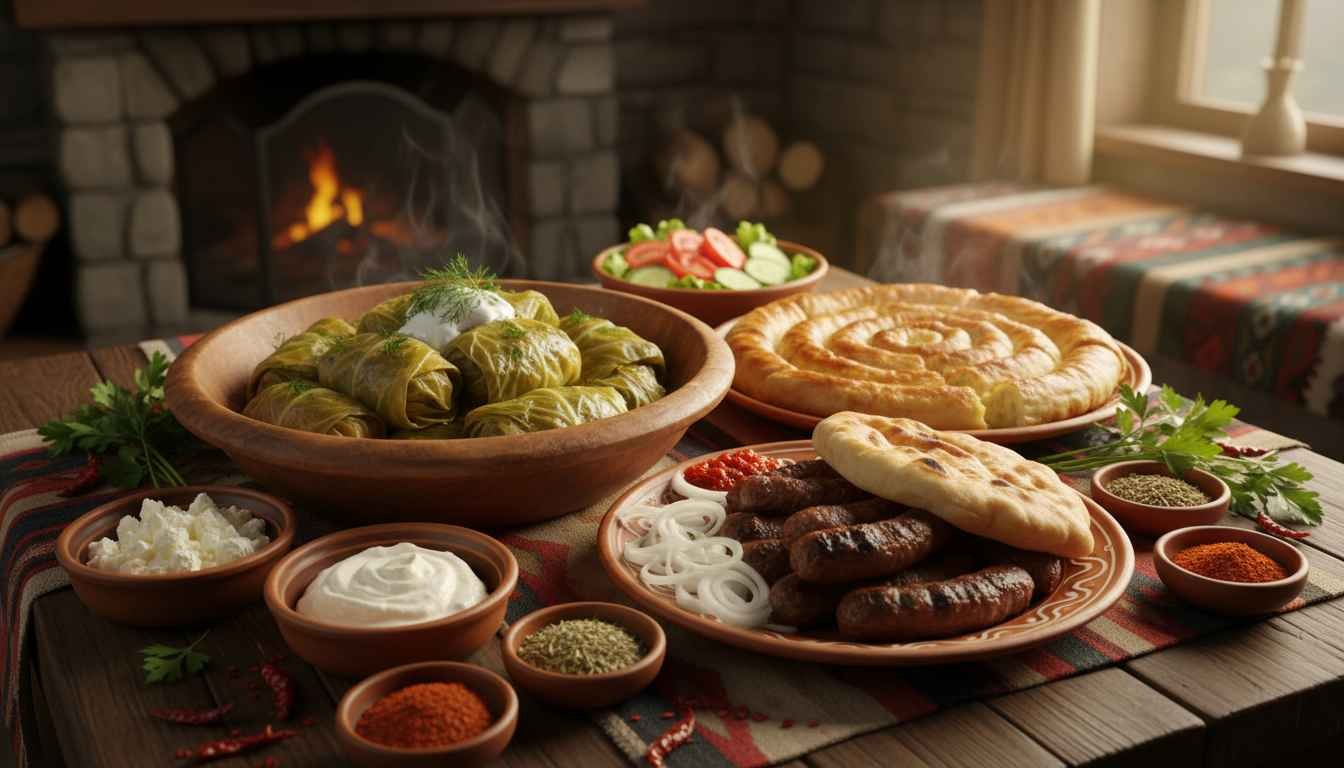
In 2025, everything changed. Culinary enthusiasts around the world began rediscovering traditional cuisines with renewed interest, and Bosnia and Herzegovina emerged as a treasure trove of rich, hearty, and nuanced dishes. Known for its blend of Ottoman, Austro-Hungarian, and Mediterranean influences, Bosnian cuisine offers flavors that are both robust and comforting. Exploring these recipes requires attention to ingredients, preparation methods, and cultural context, ensuring an authentic experience.
Checklist for Traditional Bosnian Ingredients
To begin your journey into Bosnia and Herzegovina food recipes, it is essential to gather the foundational ingredients. Many dishes rely on fresh, local produce and quality meats.
Ensure your pantry includes:
Meats and Proteins
Beef, lamb, and poultry dominate Bosnian cuisine, often slow-cooked to retain tenderness. Sausages like ćevapi are ubiquitous and require minced beef or a mix of beef and lamb.
Grains and Legumes
Bread and pastries such as somun and pita are central. Bulgur, rice, and beans also play a significant role in soups and stews.
Vegetables and Herbs
Onions, garlic, bell peppers, and tomatoes form the flavor base for many dishes. Fresh herbs like parsley and dill elevate the subtlety of stews and salads.
Dairy
Yogurt and cheeses, particularly kajmak, add richness and creamy texture to meals. Incorporating these can enhance authenticity.
Core Bosnian Dishes and Recipes Checklist
When crafting Bosnia and Herzegovina food recipes, certain dishes are emblematic of the cuisine. Follow this checklist to ensure each dish is prepared with traditional integrity.
Ćevapi
Grilled minced meat sausages, typically served with chopped onions and somun bread. Ensure meat is finely minced and lightly seasoned with salt and pepper. Cooking over charcoal provides the authentic smoky aroma.
Burek and Pita Variations
Thin layers of dough filled with meat, cheese, spinach, or pumpkin. Rolling technique is crucial; improper layering can result in dense pastry rather than a delicate, flaky texture.
Begova Čorba
A slow-cooked beef and vegetable stew enriched with okra and spices. Patience is key: simmering low and slow extracts maximum flavor while tenderizing the meat.
Sogan-Dolma
Onions stuffed with minced meat and rice, baked in a tomato-based sauce. Proper seasoning and gentle baking ensure the filling remains moist and flavorful.
Baklava
Though often associated with broader Balkan or Middle Eastern cuisine, Bosnian baklava features a balance of finely chopped nuts, sugar syrup, and phyllo layers. Precision in syrup application preserves crispness while adding sweetness.
Decision Matrix for Cooking Approaches
| If | Then |
|---|---|
| Using pre-made dough for pita or burek | Expect shorter preparation time but slightly less authentic texture |
| Slow-cooking meat in a stew | Produces tender, flavor-rich dishes that reflect traditional methods |
| Grilling ćevapi over gas flame | Convenient, but lacks the characteristic smoky aroma of charcoal |
| Using local Bosnian cheeses and herbs | Enhances authenticity and mirrors traditional taste profiles |
Tips for Presentation and Serving
Serving Bosnian dishes involves more than taste; presentation emphasizes hospitality. Arrange meat dishes with fresh onions and flatbread. Garnish stews with chopped parsley. For pastries, offer warm servings alongside strong Turkish-style coffee, creating a balanced culinary experience.
Incorporating some of these traditional touches can transform a simple meal into a culturally immersive event. For those exploring diverse flavors at home, even pairing with complementary offerings from La Monarca Bakery & Cafe Los Angeles, California can enrich the experience, merging international palates with Bosnian authenticity.
Potential Drawbacks
While exploring Bosnia and Herzegovina food recipes is rewarding, there are considerations. Many dishes are time-intensive, requiring slow cooking or meticulous pastry preparation. Ingredient accessibility may be limited outside specialized markets, and some dishes are high in fat or salt. Individuals monitoring dietary intake should adapt recipes accordingly to maintain health balance.
Conclusion
Mastering Bosnia and Herzegovina food recipes requires attention to ingredients, methodical preparation, and an appreciation for tradition. From succulent ćevapi to delicate baklava, each dish tells a story of cultural fusion and culinary heritage. By following this checklist, home cooks can recreate authentic flavors while respecting the richness of Bosnian cuisine.