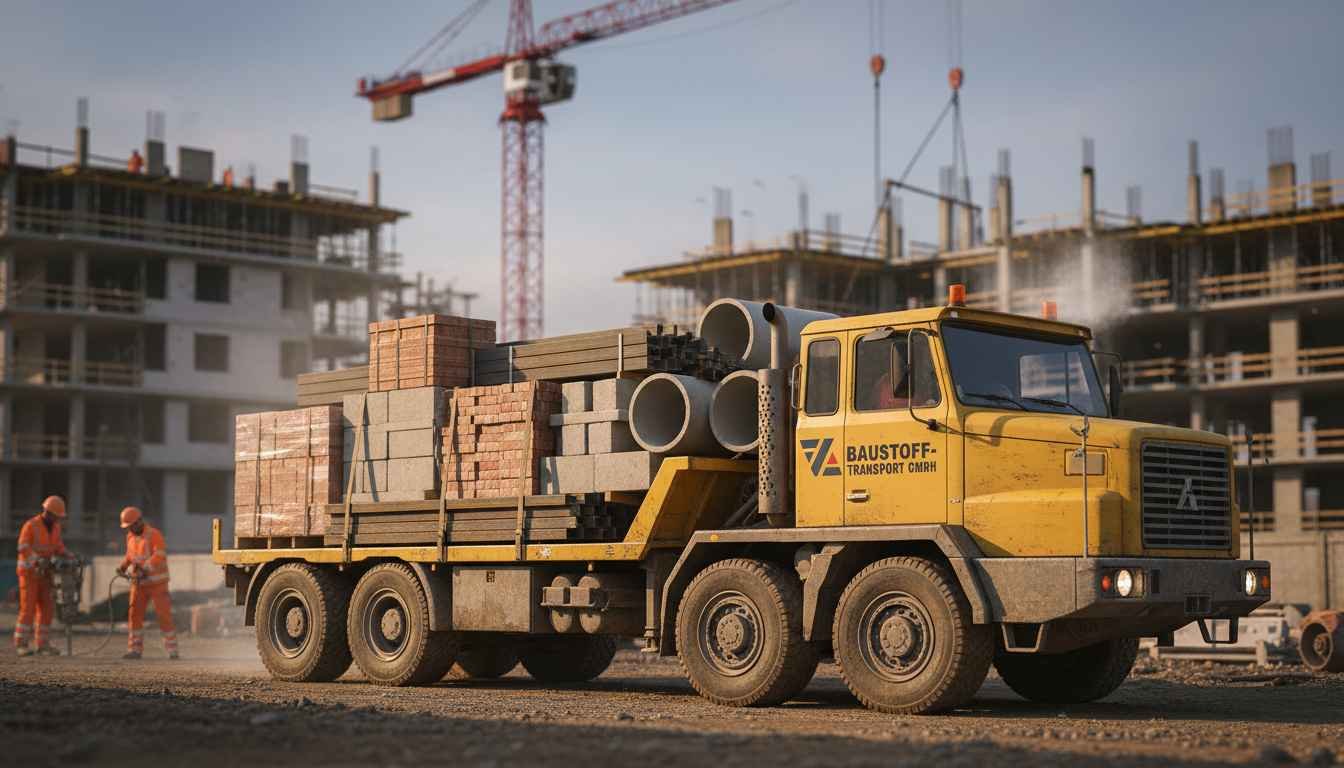
Efficient baustoff transport is not just about moving materials from point A to point B. Understanding the nuances can save significant time, reduce costs, and prevent costly accidents. Many misconceptions persist in the construction and logistics industry, creating inefficiencies and potential risks. By dissecting the common myths and uncovering the facts, you will gain clarity on best practices, optimal vehicle choices, and regulatory compliance for transporting construction materials.
Myth 1: Any truck can handle all types of construction materials. Fact: Not all trucks are suited for every type of baustoff. Heavy aggregates like gravel, sand, or cement require vehicles with high payload capacities and reinforced suspension. Meanwhile, lighter materials such as insulation boards or drywall can be transported using smaller flatbed or box trucks without risking damage. Selecting the correct vehicle ensures safety and maintains material integrity.
Myth 2: Faster transport is always more cost-effective. Fact: Speed often comes at a hidden cost. Overloading trucks or ignoring weight distribution can lead to accidents, fines, and equipment wear. For example, a well-planned schedule using appropriately sized trucks minimizes downtime and prevents penalties, ultimately saving money. Professional logistics managers often rely on precise route planning and regulated speed limits to optimize efficiency without sacrificing safety.
Myth 3: Manual loading is just as effective as mechanized systems. Fact: Mechanized loading and unloading using cranes, forklifts, or conveyor systems significantly reduces labor costs and material damage. Although manual handling seems cheaper initially, repeated strain injuries, slower turnaround times, and damaged materials can outweigh the upfront savings. Modern construction operations integrate both manual and automated systems strategically for maximum efficiency.
Decision Matrix: If X then Y
| If | Then |
|---|---|
| Transporting heavy aggregates over uneven terrain | Use trucks with reinforced suspension and all-wheel drive to prevent accidents |
| Transporting fragile materials like glass panels or insulation boards | Opt for flatbed trucks with padded securing systems |
| Need to reduce labor costs and loading time | Implement mechanized loading and unloading solutions |
| Operating within urban construction sites with tight schedules | Choose smaller, maneuverable vehicles and plan routes in advance |
| Multiple short-distance deliveries in a day | Utilize trucks with rapid loading options and smaller payloads for efficiency |
Myth 4: All materials require the same safety precautions. Fact: Different baustoff categories demand specific safety measures. Bulk materials like cement or sand require tarpaulins to prevent spillage and dust pollution, whereas hazardous chemicals or paints require sealed containers and clear labeling. Adhering to these protocols is not optional – it is a regulatory and ethical necessity.
Myth 5: Fuel efficiency is secondary to transport capacity. Fact: Optimizing fuel consumption is critical for sustainable and cost-effective operations. Heavy trucks often operate at suboptimal fuel efficiency when overloaded or poorly maintained. Selecting vehicles with modern engines, aerodynamic designs, and proper load balancing reduces fuel expenses and environmental impact. This consideration has become increasingly important in urban projects with strict emissions regulations.
Relocating can be a daunting task, especially when it involves transporting your body or the remains of a loved one. It’s essential to understand the intricacies of working with a body transport company to ensure that the process goes smoothly and safely. This article, “Body Transport Company Dos and Don’ts for Smooth and Safe Relocation,” provides invaluable insights into what you should consider when choosing a service to handle such sensitive matters. From understanding legal requirements to ensuring proper communication, knowing the dos and don’ts can make a significant difference. For more detailed guidance, refer to a reputable body transport company that prioritizes professionalism and compassion, ensuring every step is handled with care. You can find essential tips and advice on this topic in our comprehensive guide body transport company dos and don’ts.
Behind the Scenes: These conclusions were derived from extensive observation of multiple construction sites across Tampa, Florida, combined with fleet management data. By analyzing accident reports, fuel consumption logs, and delivery schedules, it became evident that tailored vehicles and optimized loading strategies consistently outperformed generic methods in both safety and cost-efficiency.
Myth 6: Any driver can transport baustoff without specialized training. Fact: Professional drivers familiar with weight distribution, material handling, and road regulations drastically reduce the risk of accidents. Training programs often include practical exercises in maneuvering fully loaded trucks, securing loads properly, and emergency response tactics. A highly trained driver can be the difference between smooth operations and costly delays.
Myth 7: On-site storage eliminates the need for frequent transport. Fact: While on-site storage can reduce delivery frequency, it introduces risks of material degradation, theft, and space constraints. A balance between just-in-time delivery and strategic storage is essential to maintain efficiency without overburdening the site.
Who Should Avoid This? Baustoff transport may not be suitable for individuals or companies lacking access to specialized vehicles or trained drivers. Attempting to cut corners on safety protocols or equipment can result in severe penalties, damaged materials, or injuries. Businesses without a robust logistics plan should avoid handling high-volume or hazardous construction materials themselves and consider outsourcing to professional transport services.
For those exploring high-quality trucks capable of handling heavy-duty baustoff transport efficiently, visiting a reputable dealership ensures access to reliable vehicles built for these challenges. A curated selection can be found at Brandon Ford NON-FD, where experts provide guidance on choosing the right vehicle for every construction need.
Myth 8: Weather conditions do not affect transport safety. Fact: Rain, snow, or extreme heat can significantly impact road grip, braking distances, and material stability. Protective measures, such as anti-slip mats, tarps, and careful route planning, mitigate these risks. Ignoring weather considerations can lead to accidents or material loss, undermining both safety and profitability.
Myth 9: Regulatory compliance is optional for local deliveries. Fact: Even short-distance or intra-city transport must comply with local weight limits, hazardous material handling rules, and occupational safety guidelines. Non-compliance can lead to fines, legal liabilities, and project delays. Staying informed and proactive ensures smooth operations and reputational reliability.
In conclusion, understanding baustoff transport goes beyond moving materials – it involves careful vehicle selection, strategic planning, safety adherence, and trained personnel. Dissecting these myths from the facts provides a roadmap for efficient, safe, and cost-effective operations. By applying these insights, construction professionals can elevate their logistics performance while minimizing risk and unnecessary expenditure.